🇬🇧
•

Search
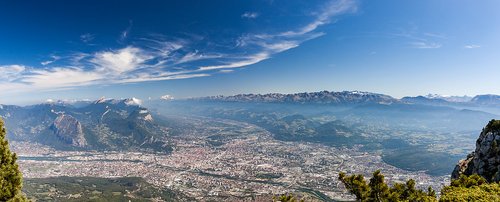
ILL operates a laboratory for monitoring radioactivity in the environment. This laboratory is approved by the French nuclear safety authority and is part of the French environmental radioactivity monitoring network run by the ASNR. The results of the measurements are published via this site.
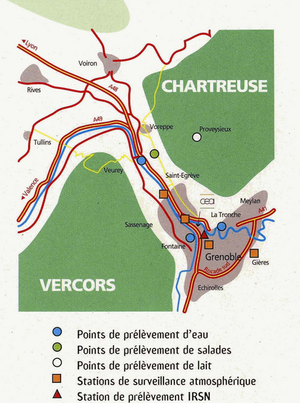
Our laboratory monitors radioactivity in all sectors of the environment. This involves taking some 1500 samples a year, resulting in 5000 separate analyses.
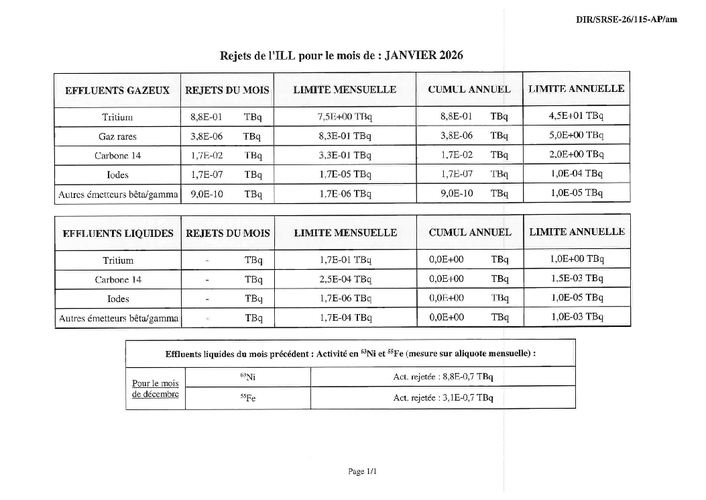
ILL's liquid and gaseous effluents are regulated by the decree of 3 August 2007, which authorises it to pump groundwater and release effluents for its nuclear operations in Grenoble. Besides the monitoring and analysing procedures, ILL carries out more than 2000 laboratory measurements a year. You will find the figures below, by year.
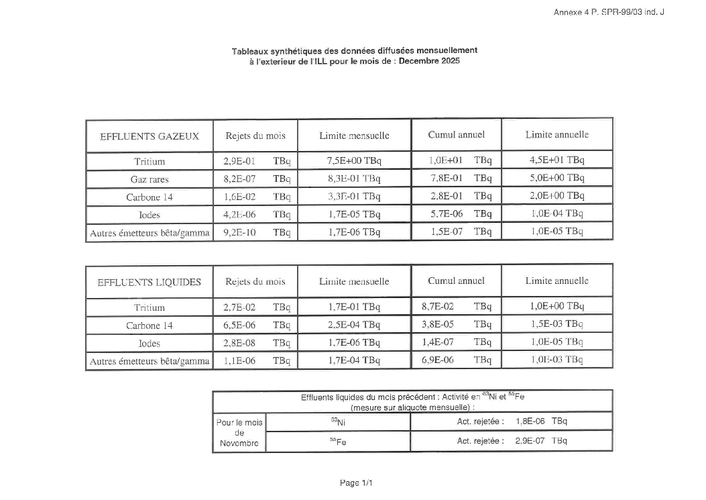
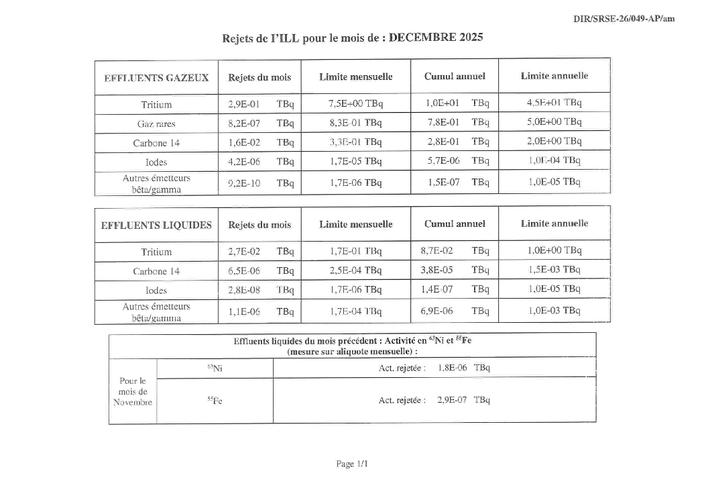
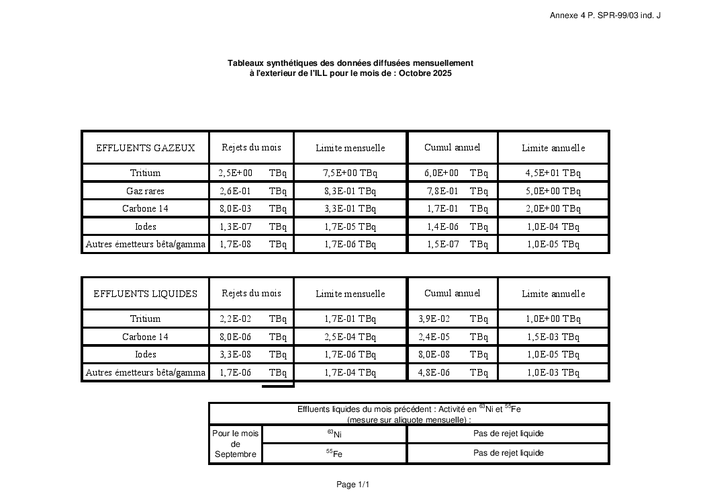
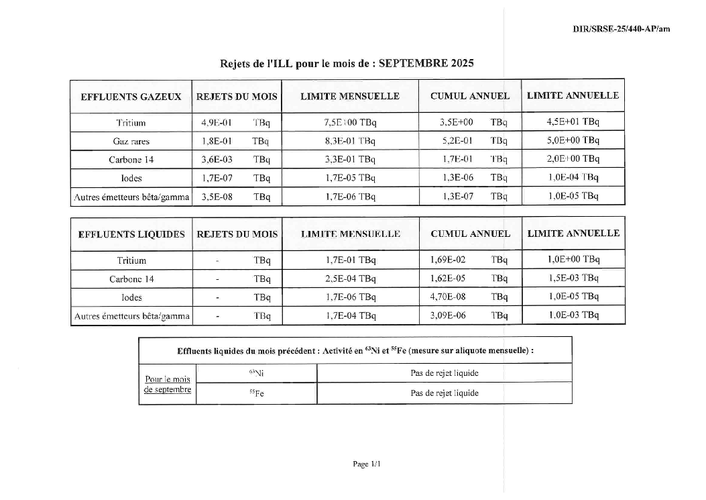
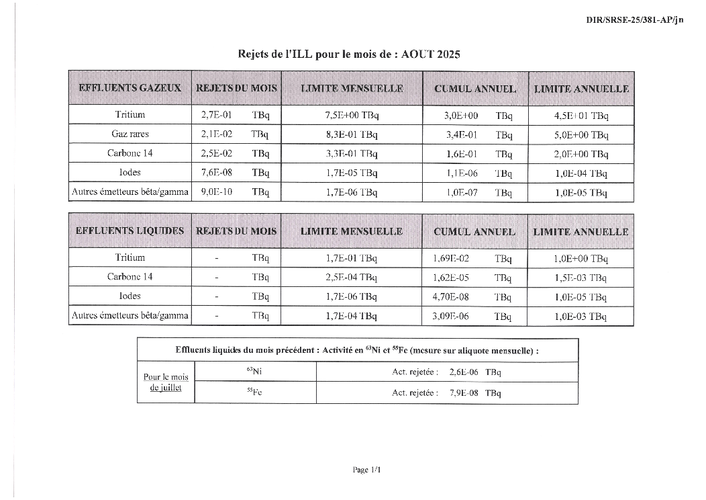
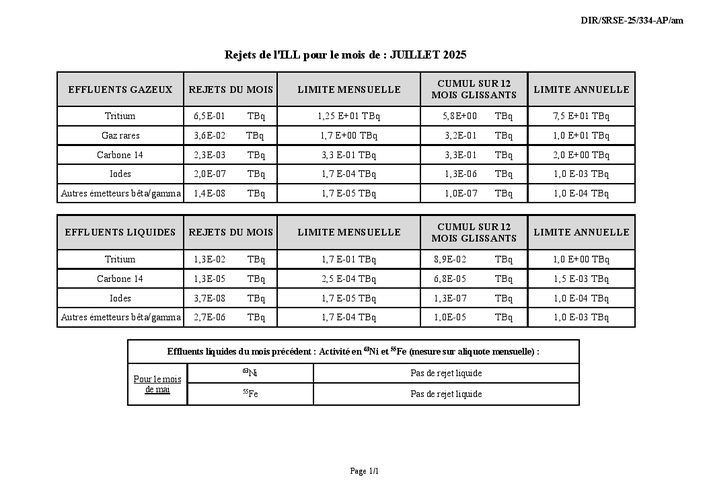
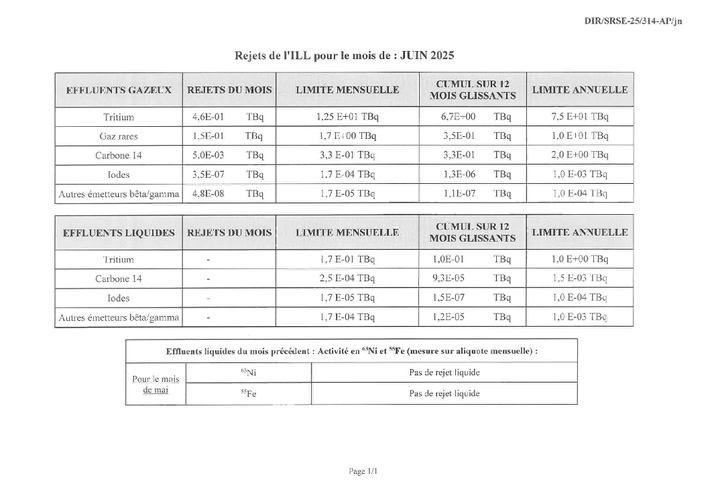
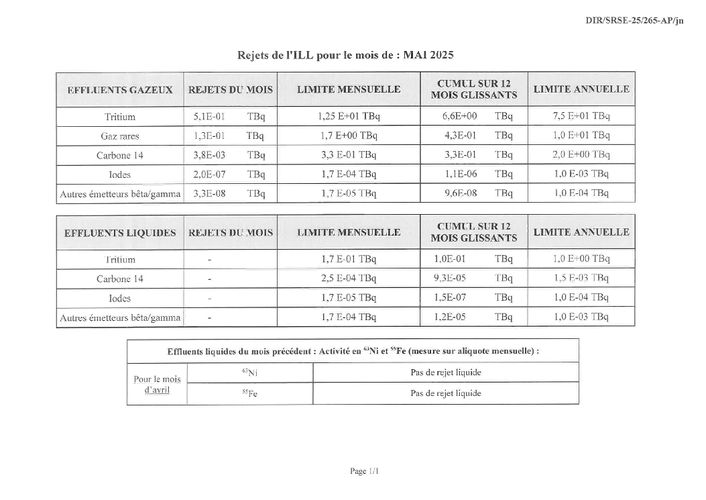
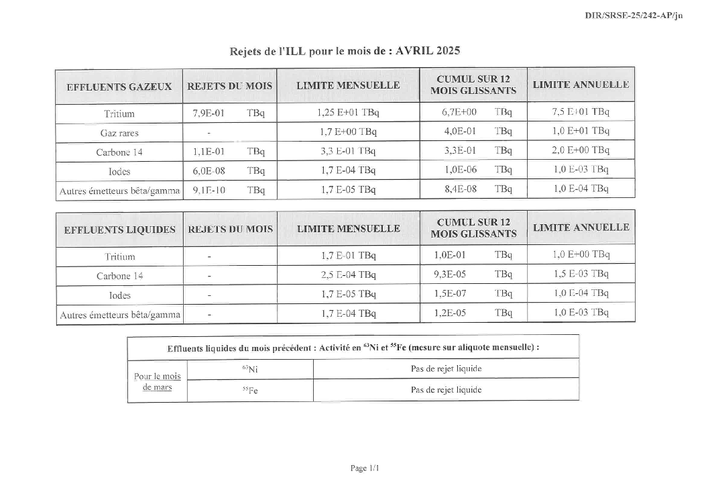
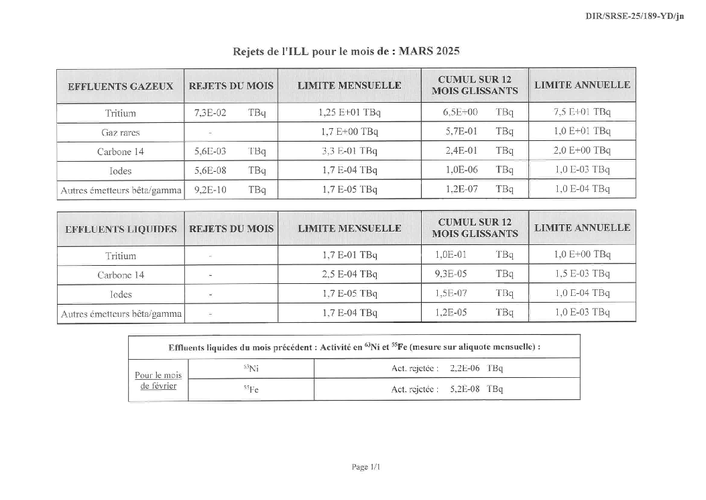
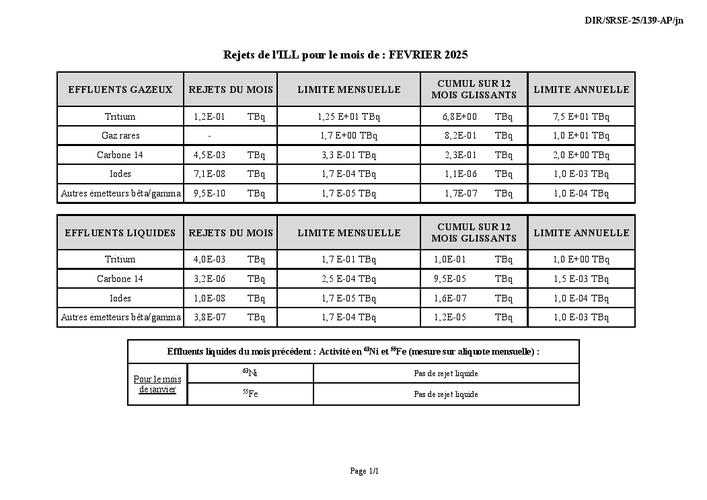
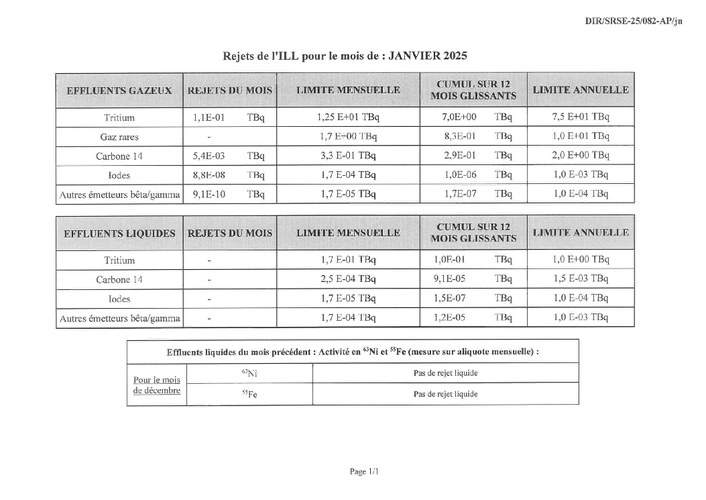
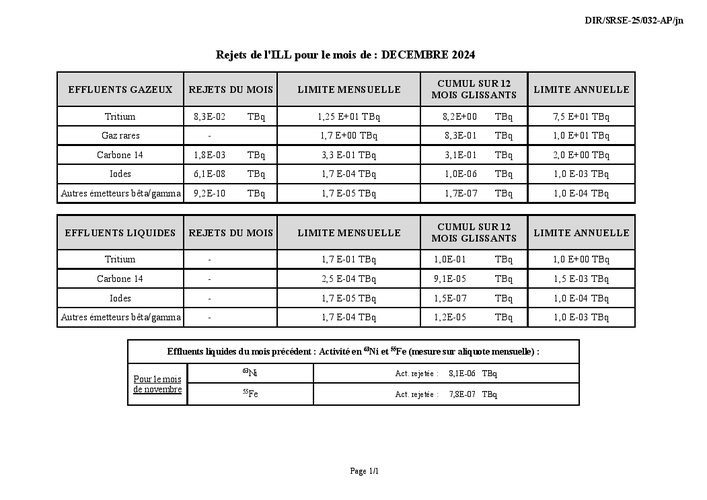
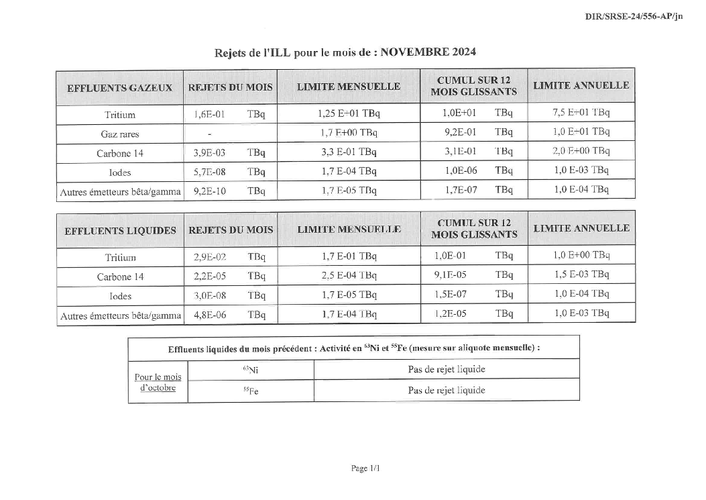
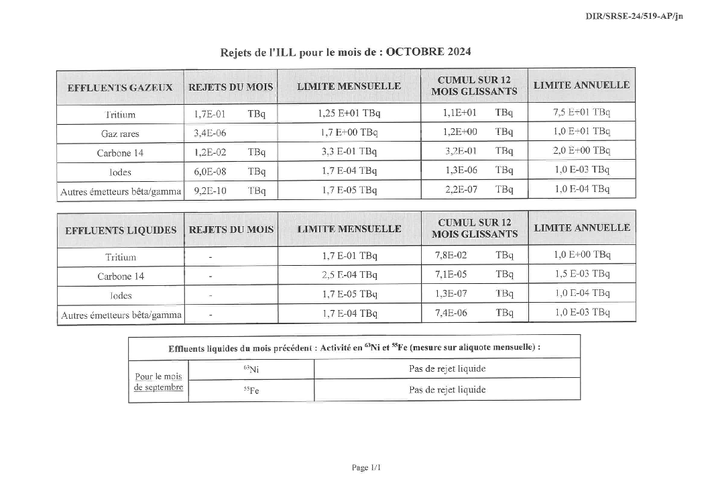
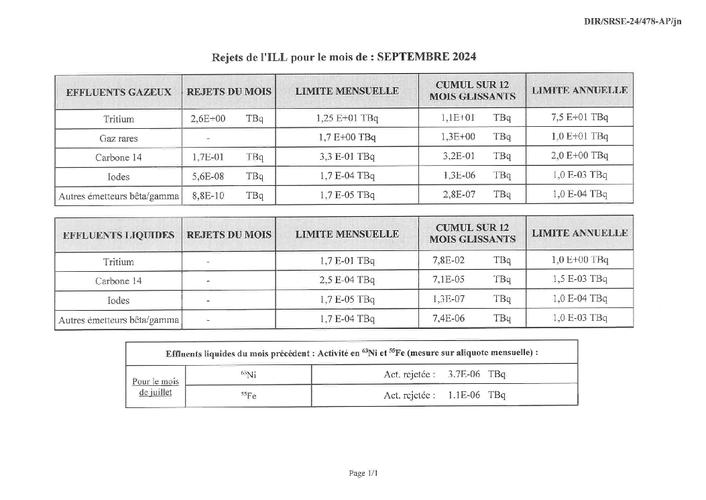
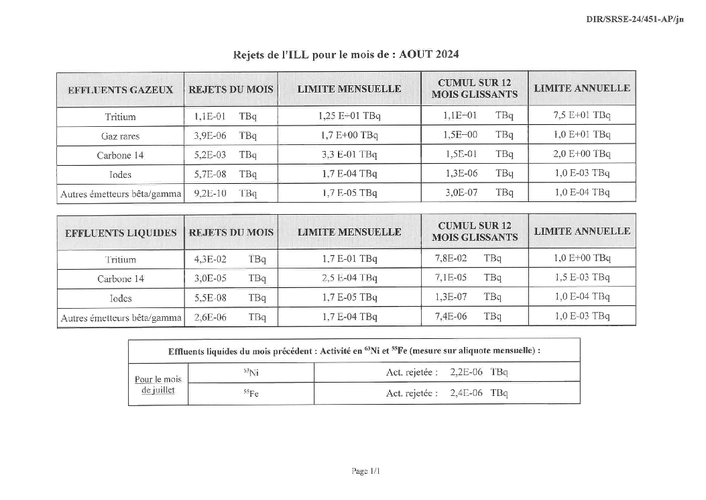
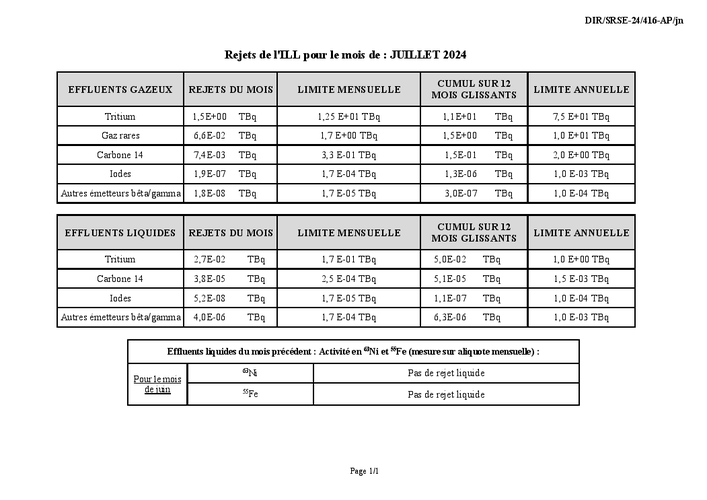
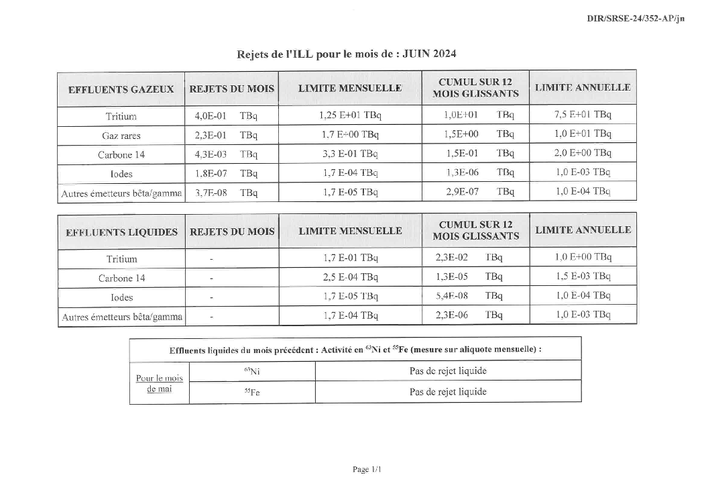
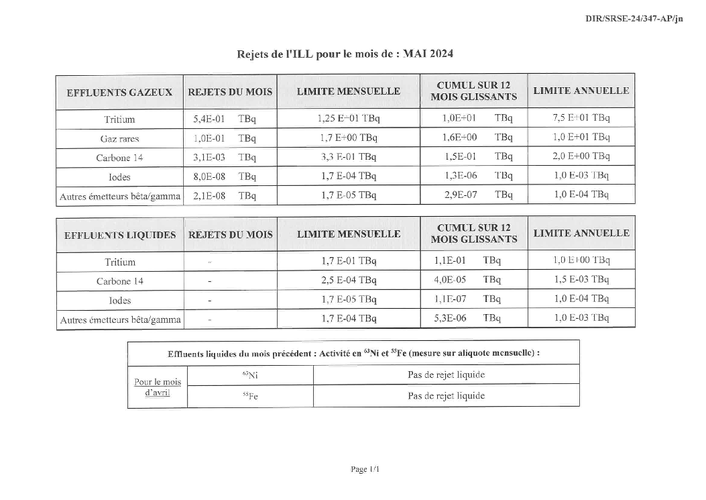
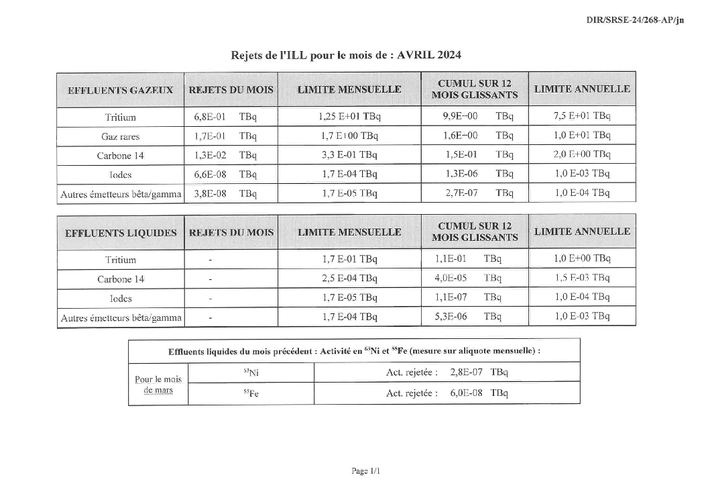
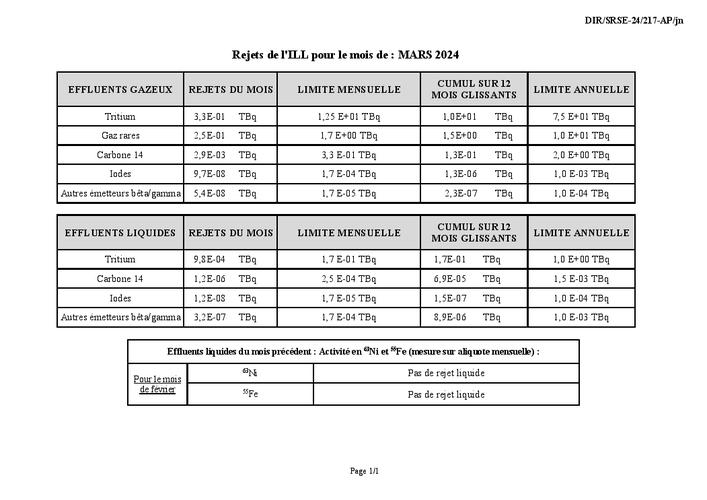
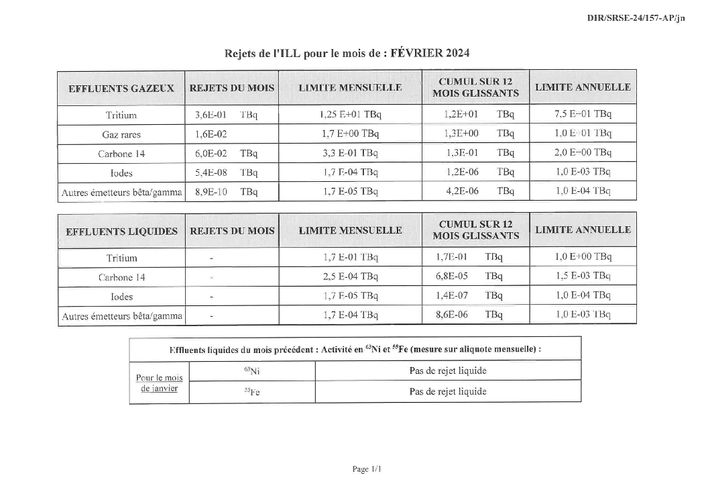
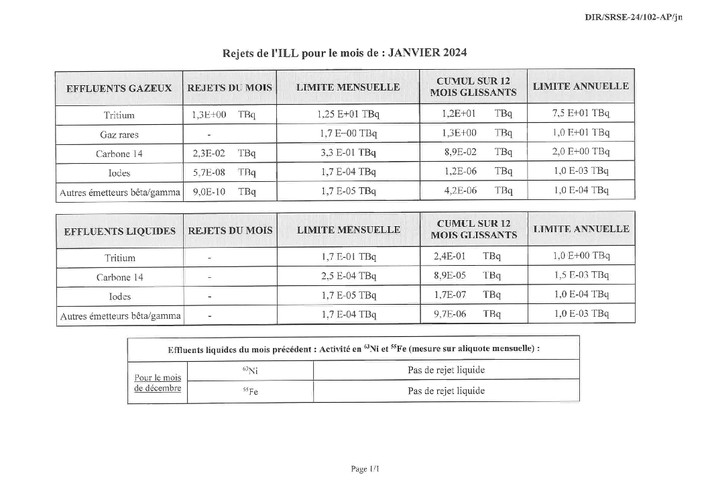
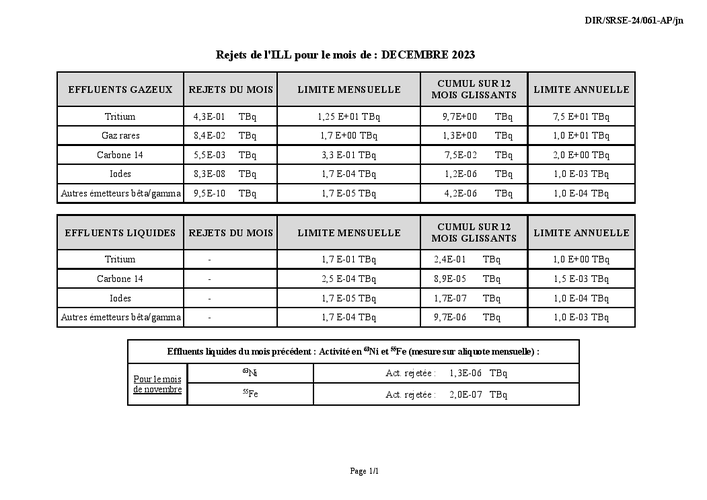
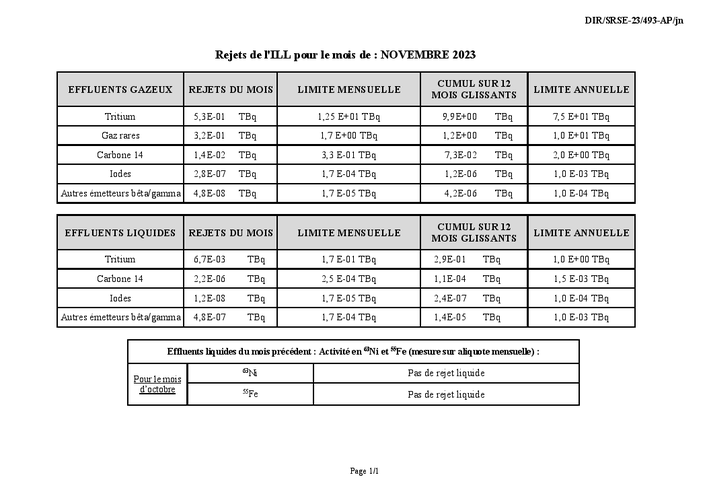
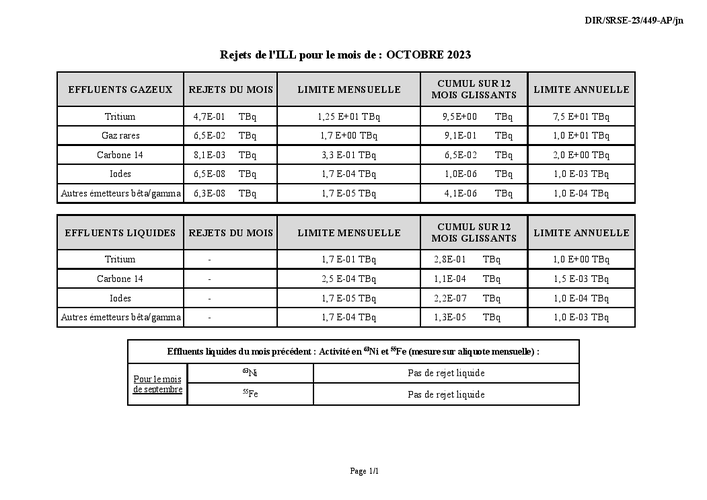
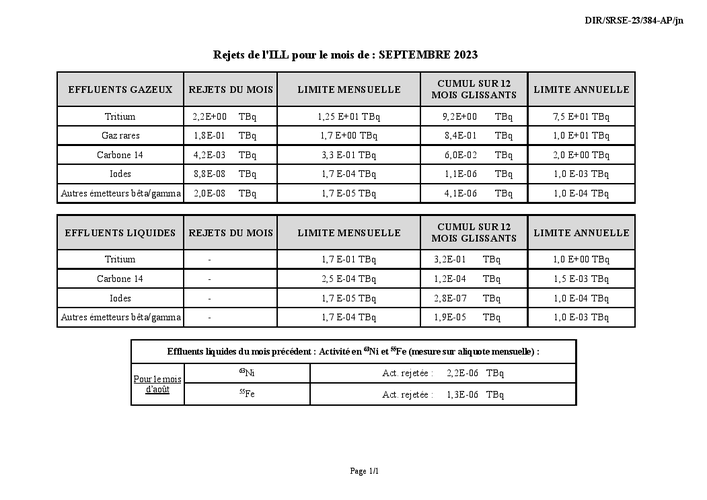
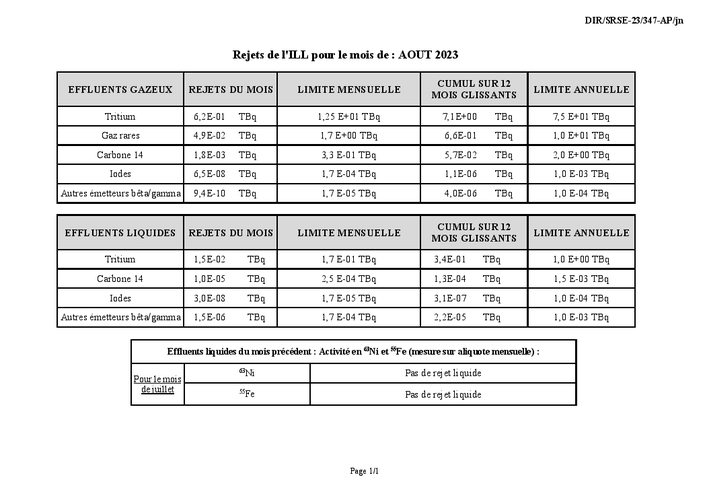
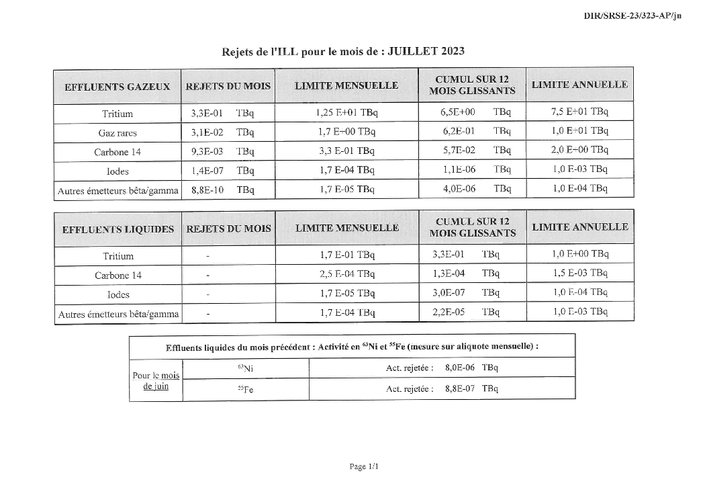
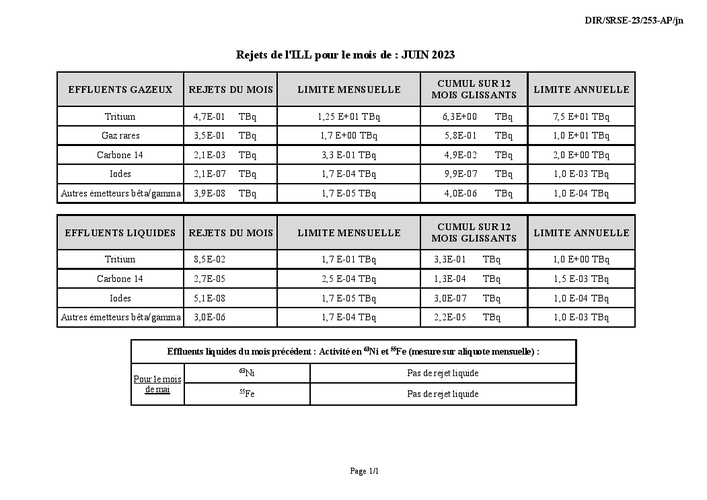
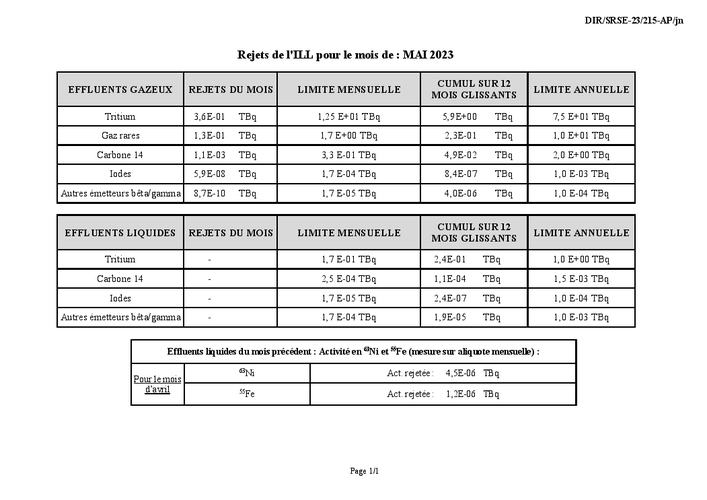
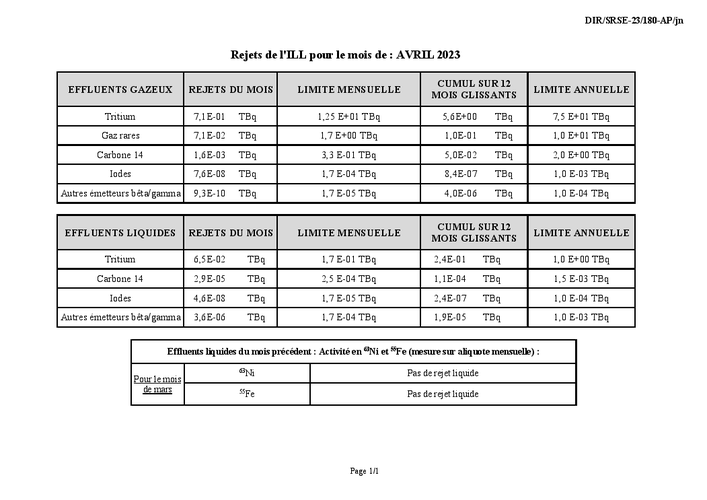
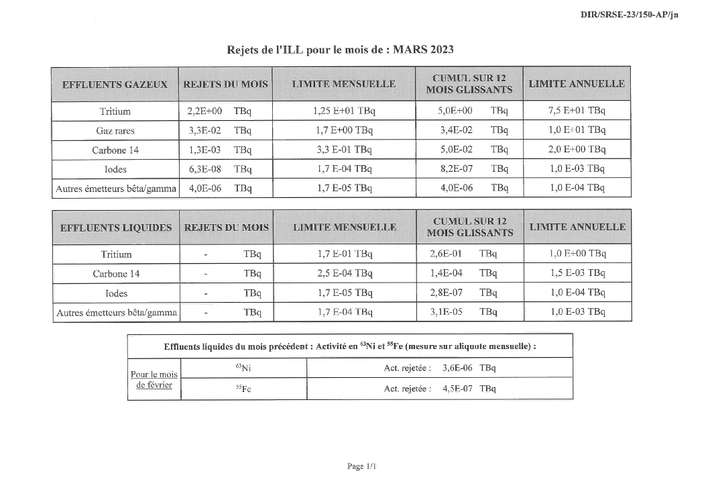
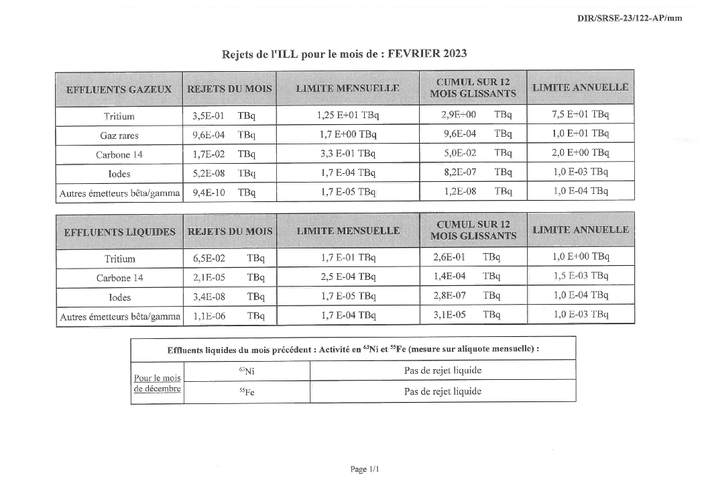
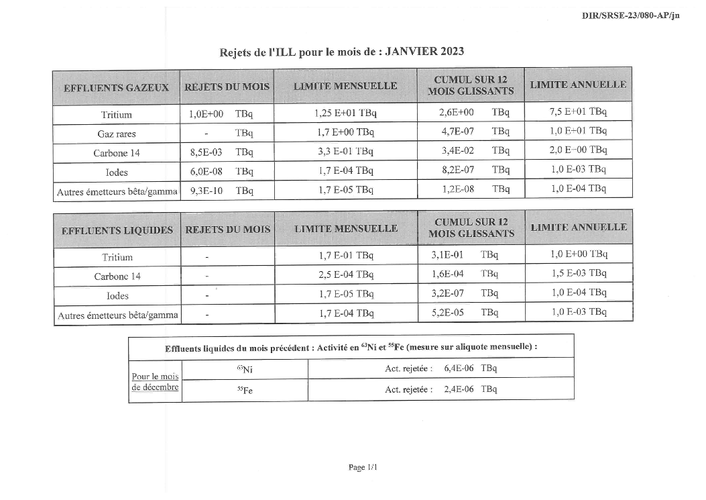
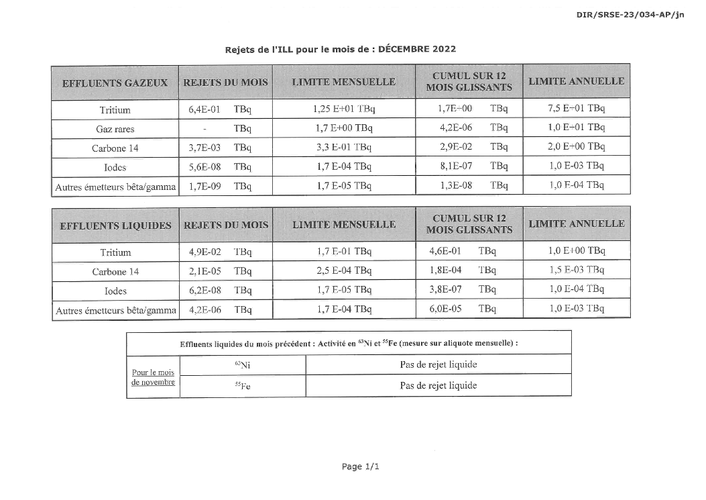
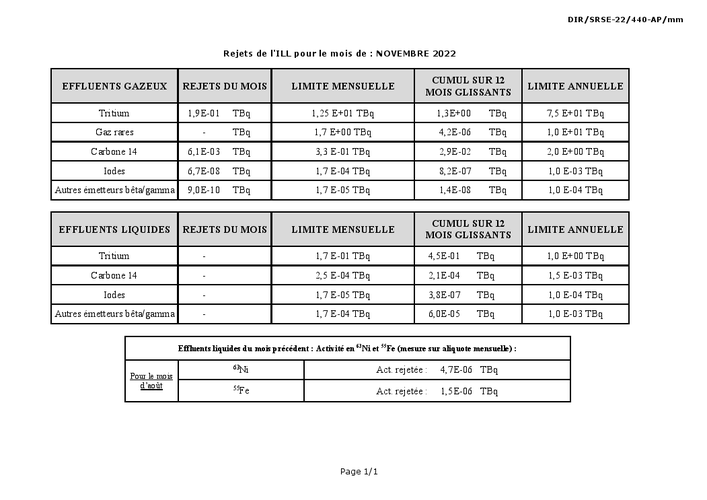
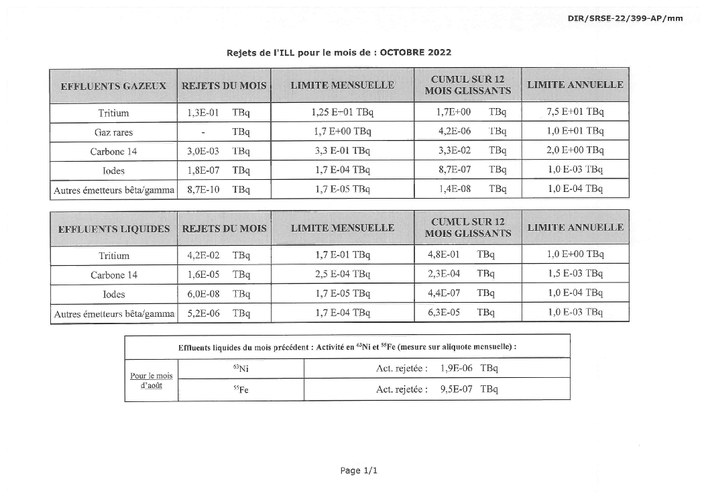
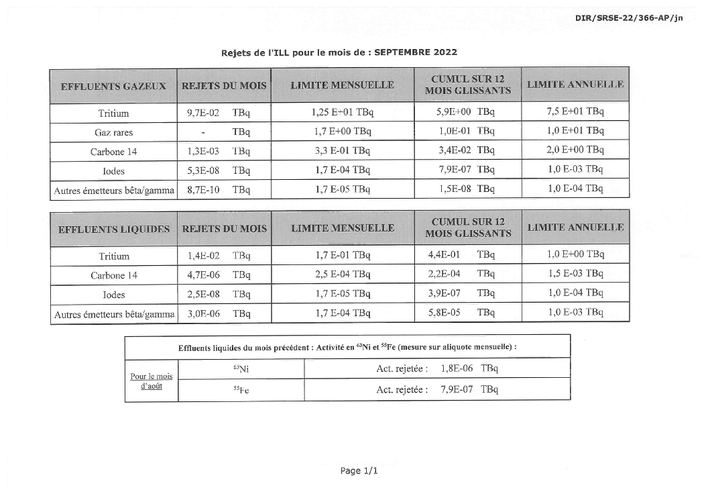
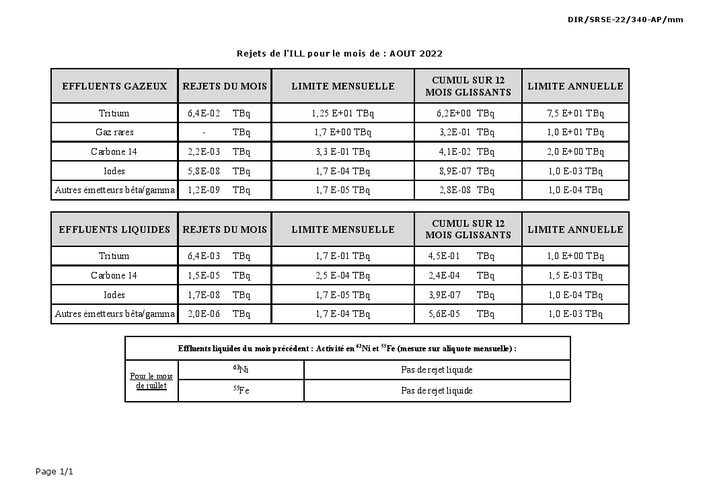
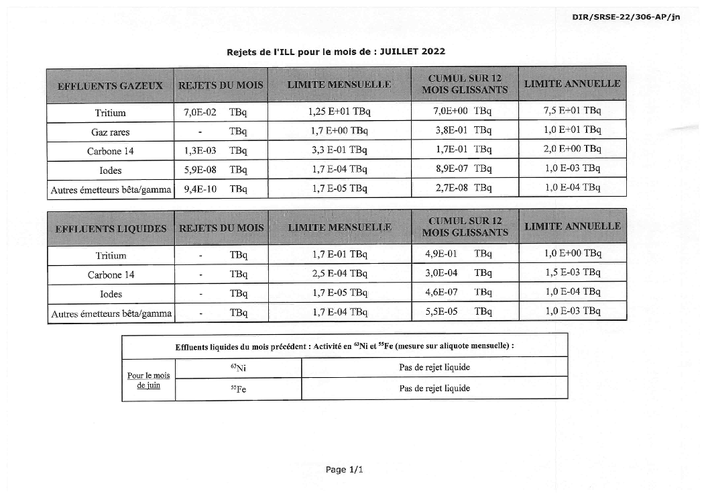
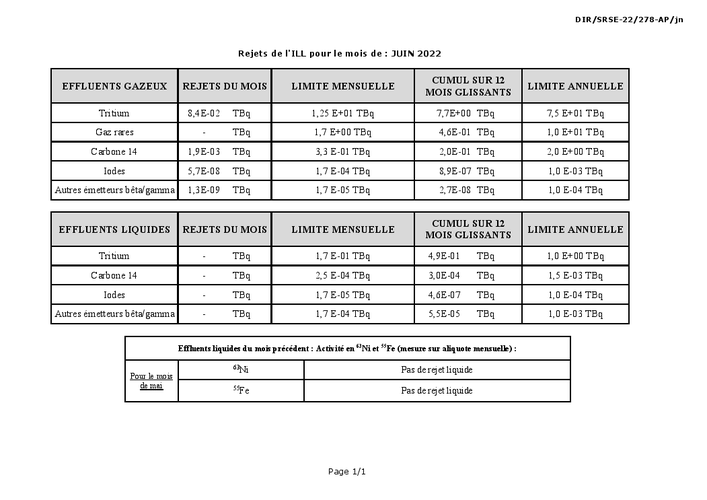
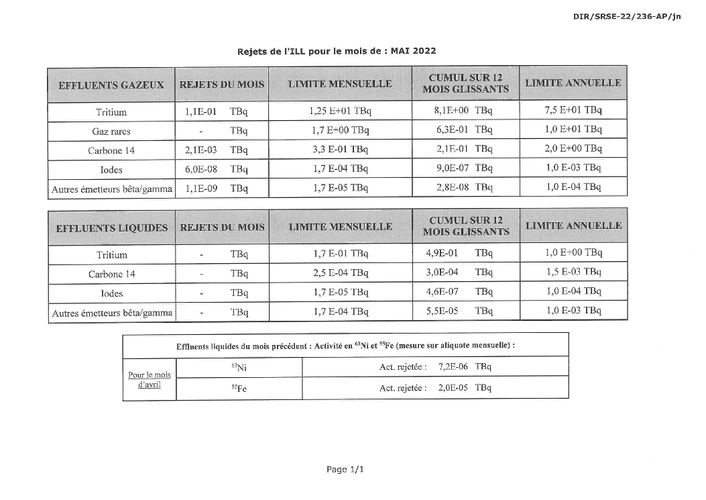
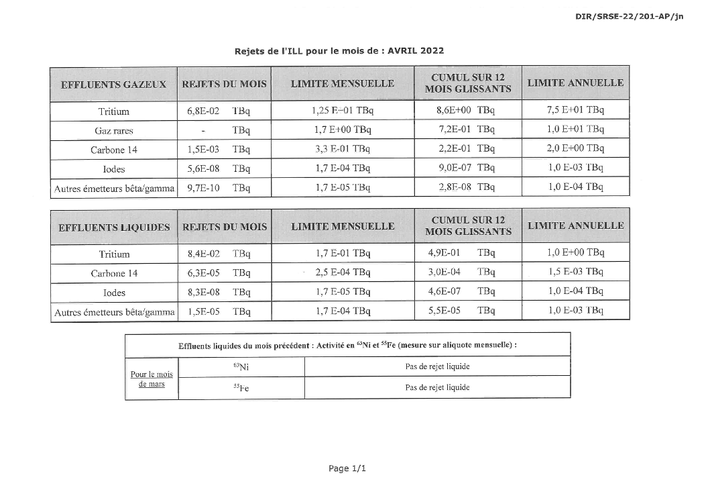
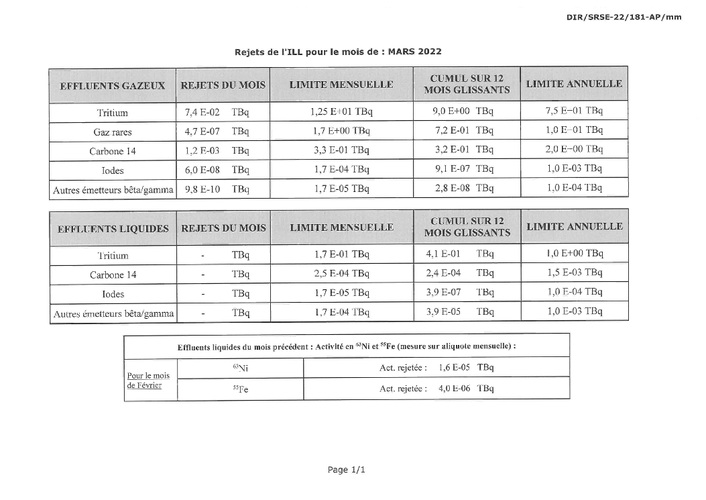
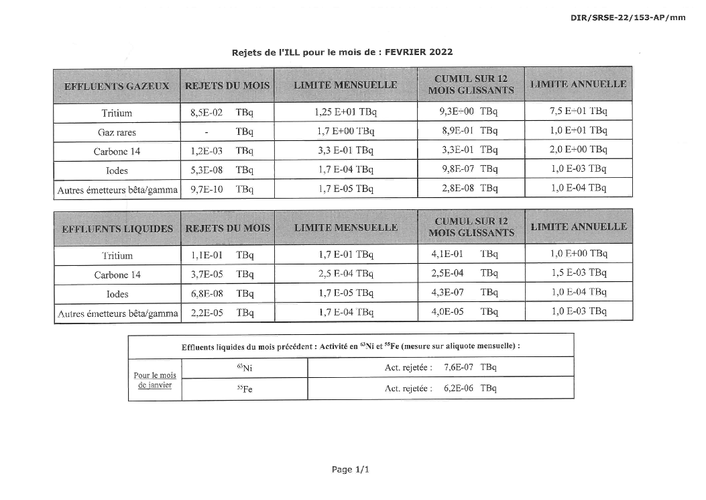
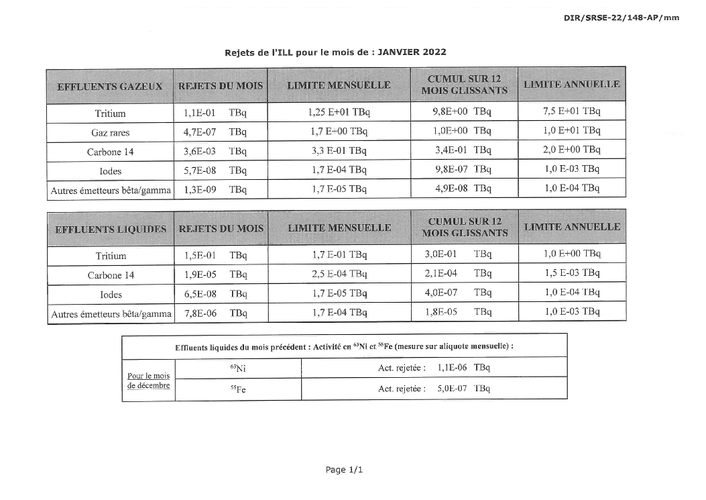
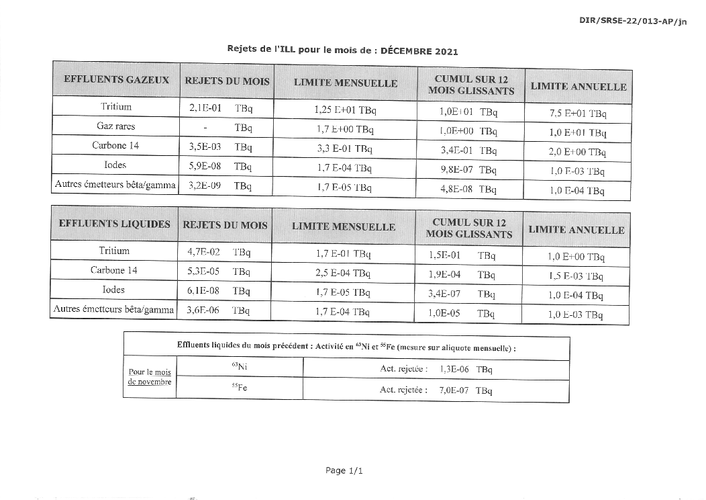
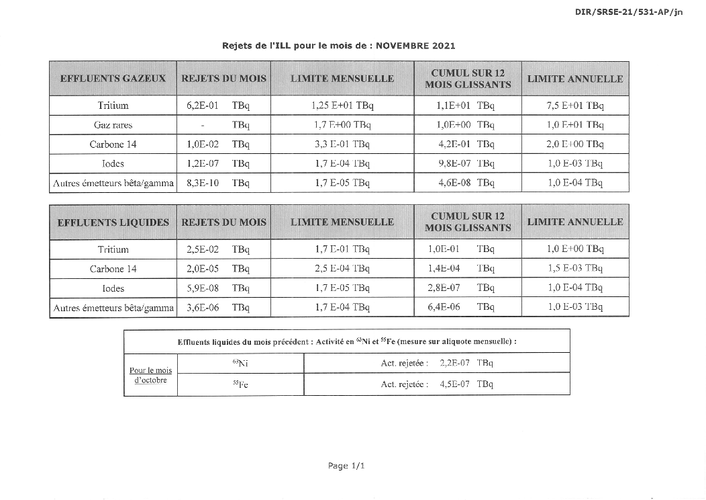
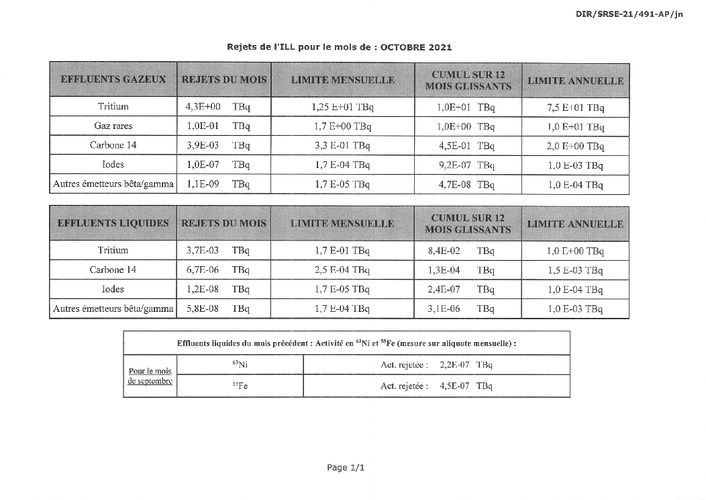
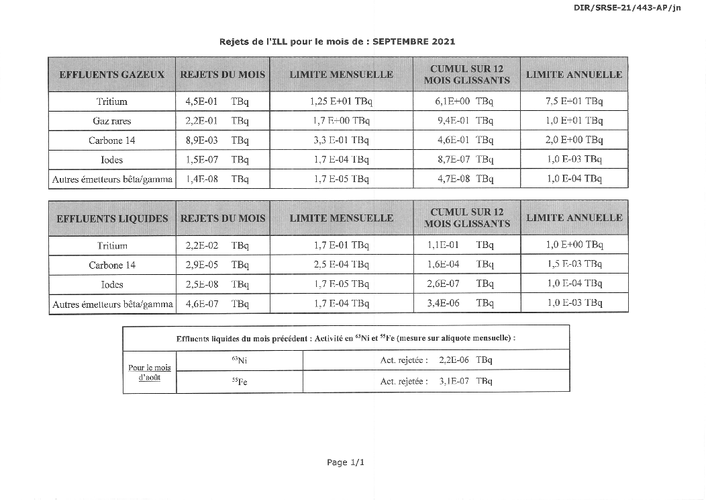
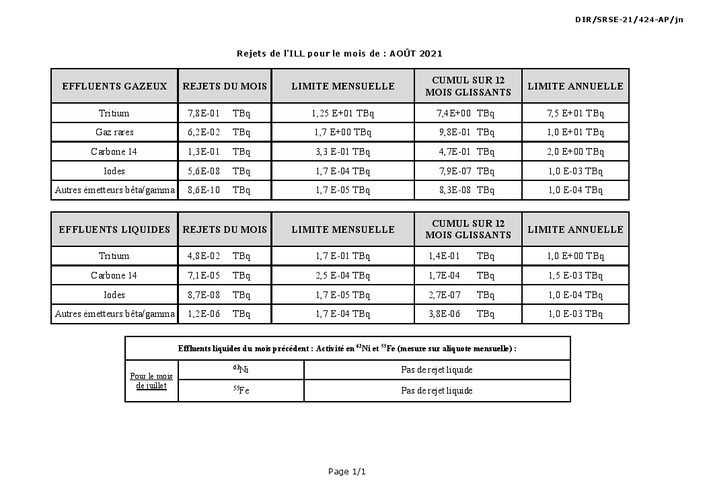
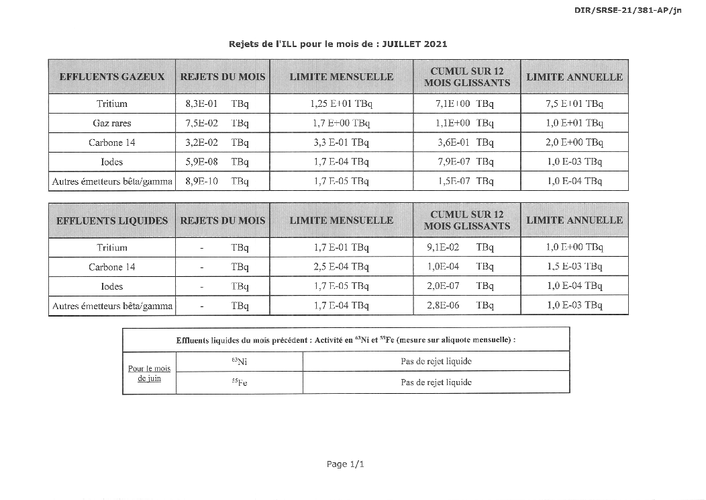
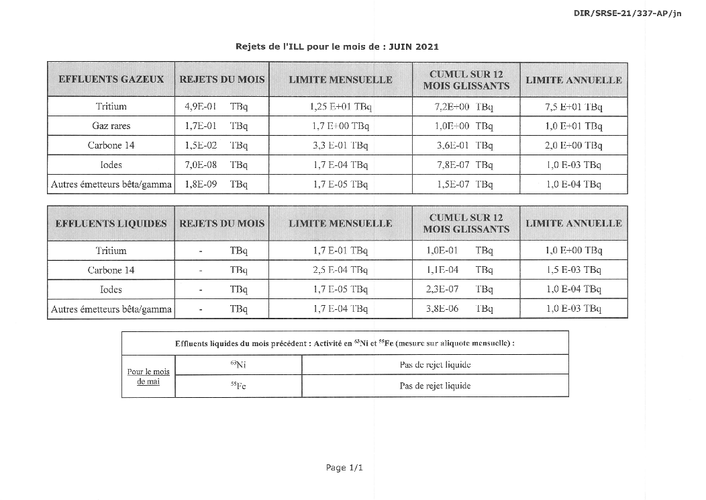
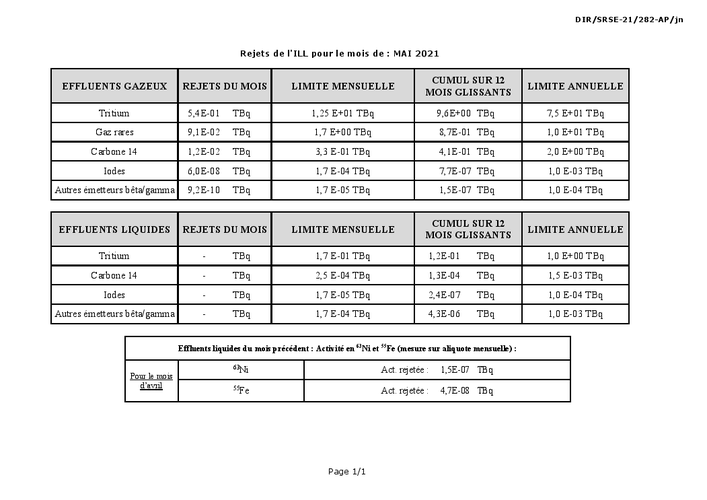
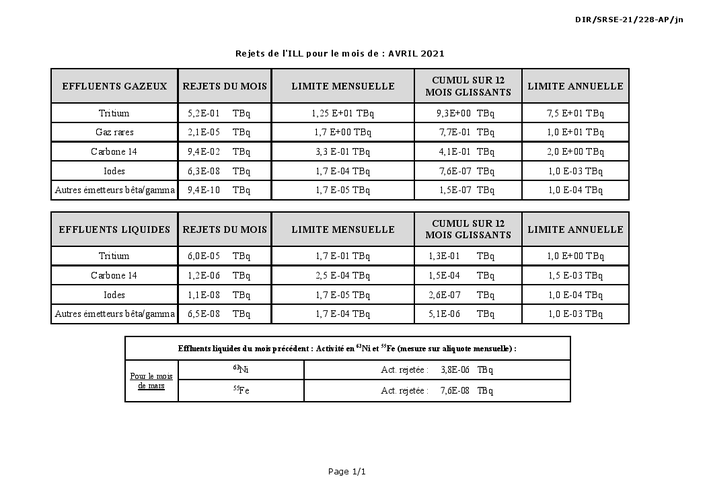
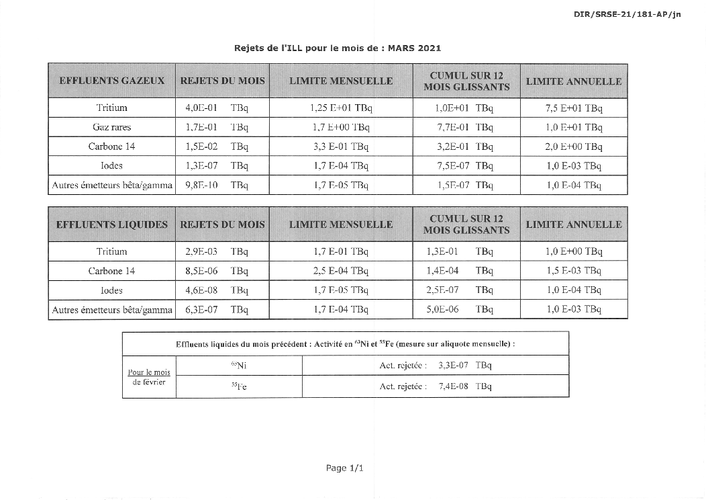
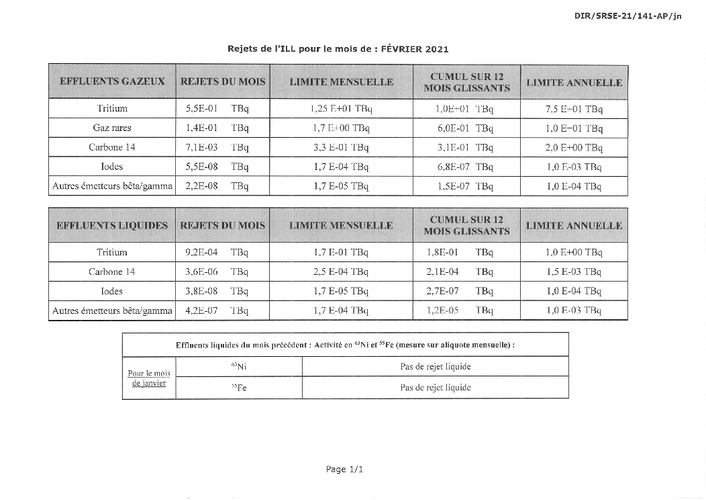
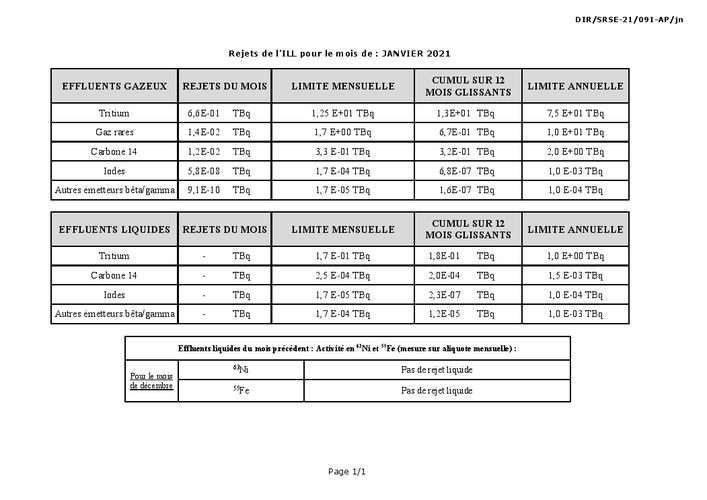
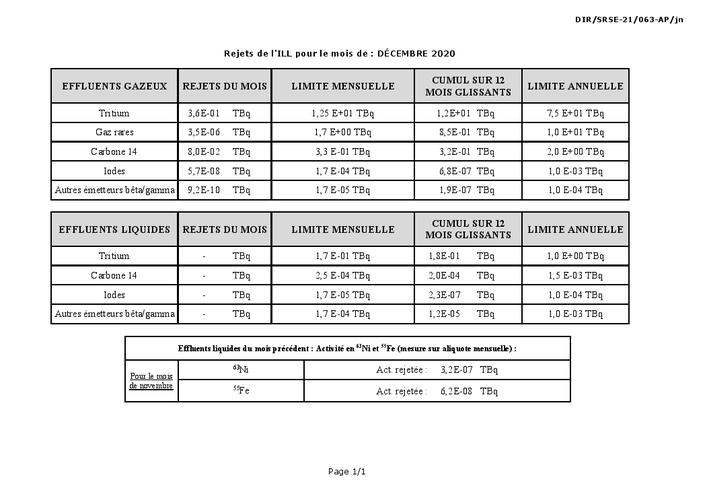
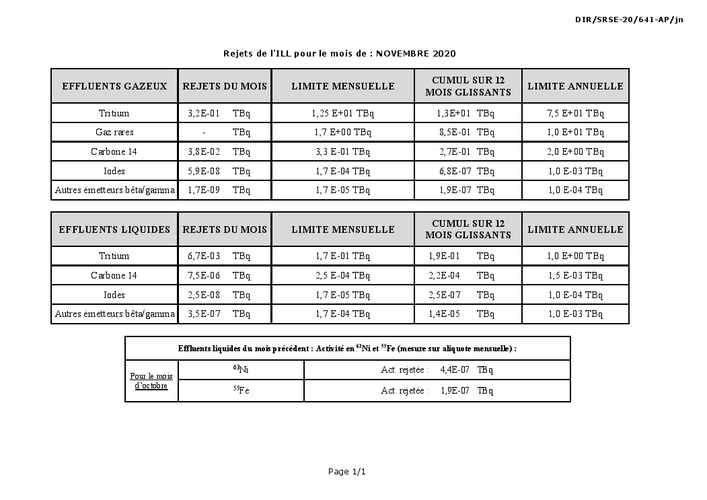
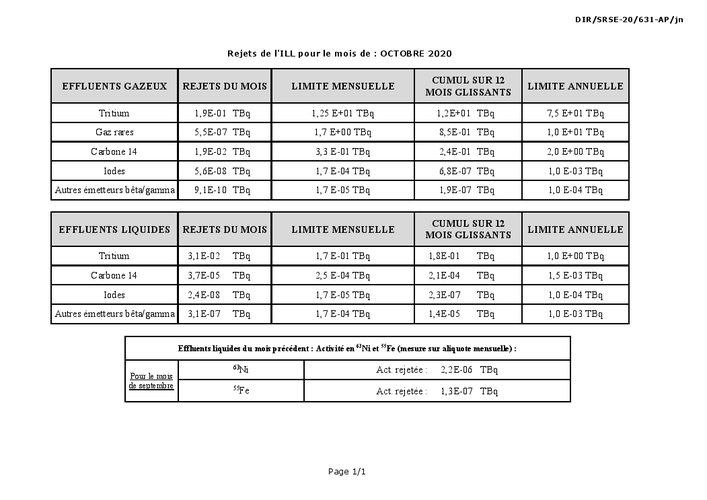
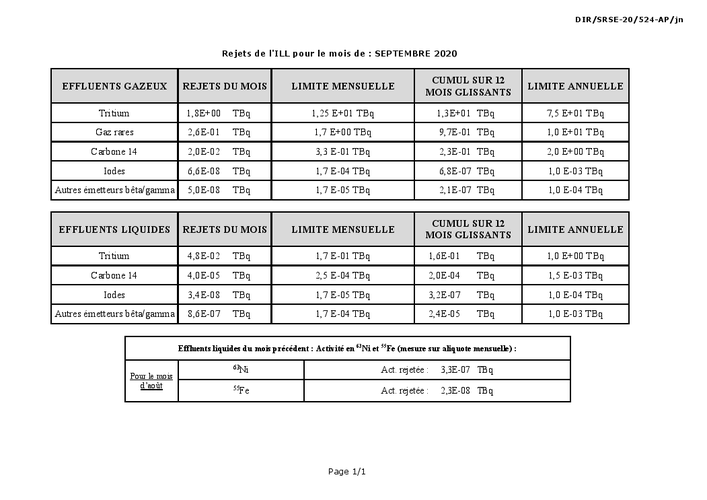
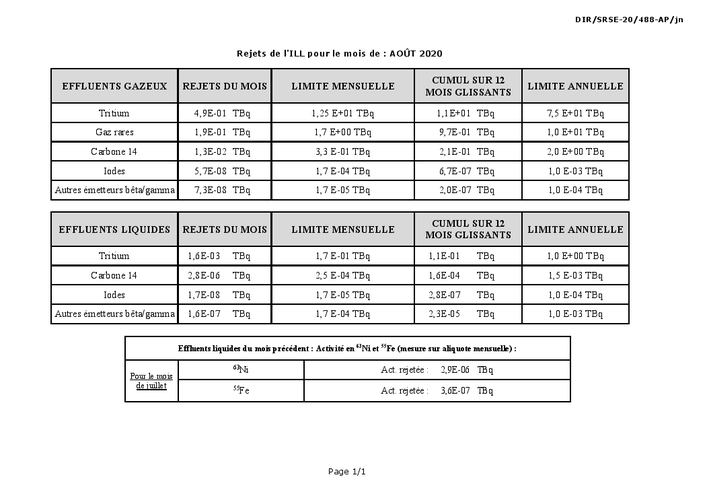
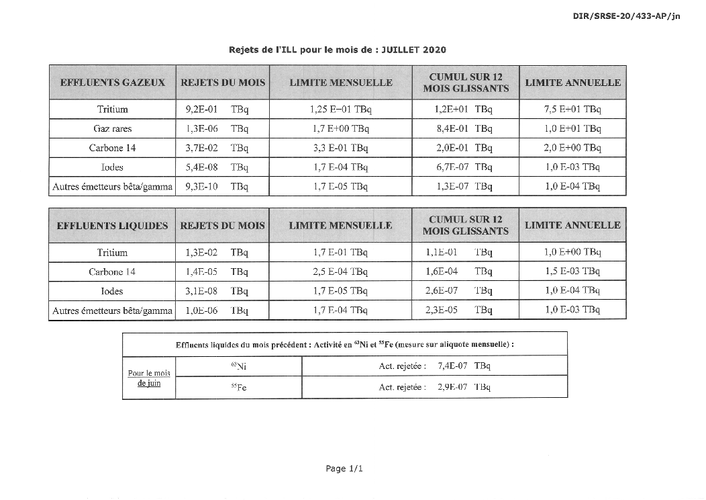
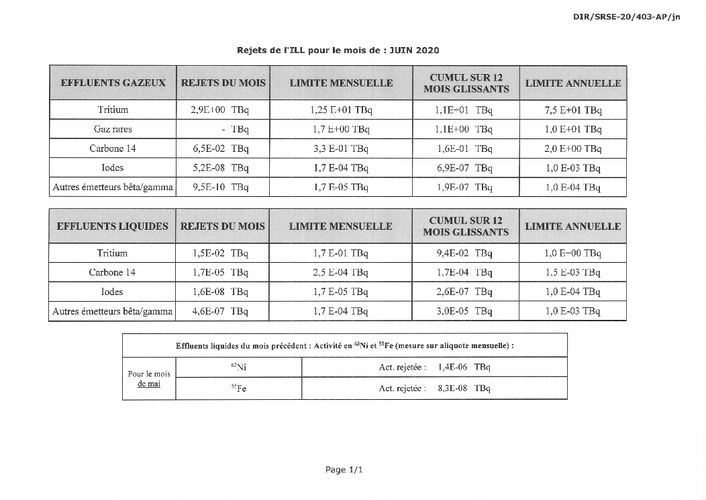
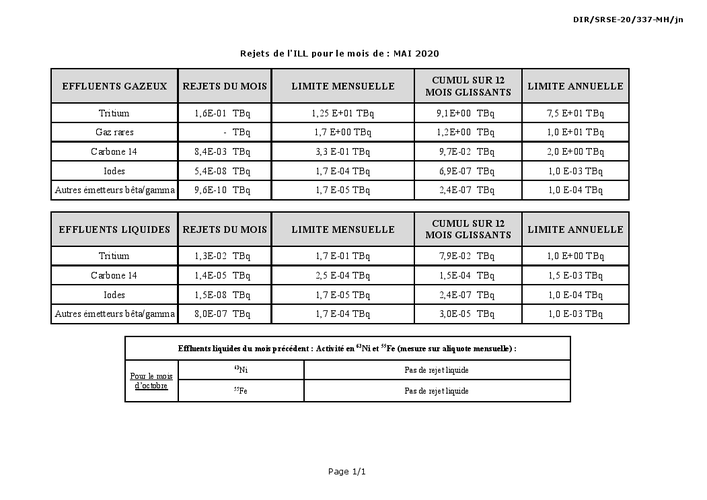
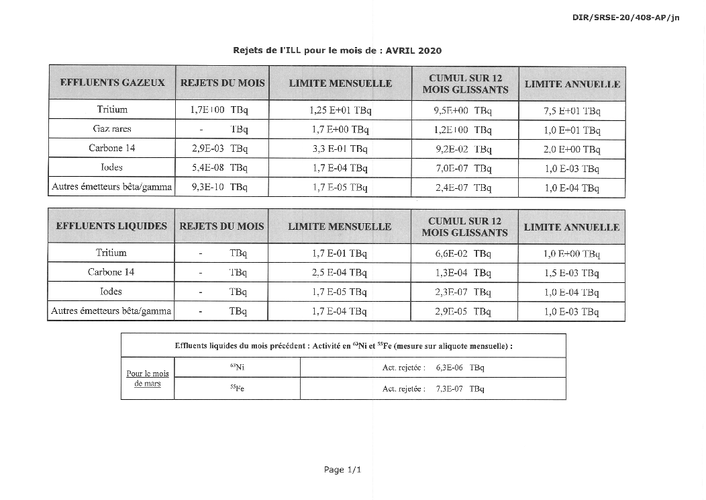
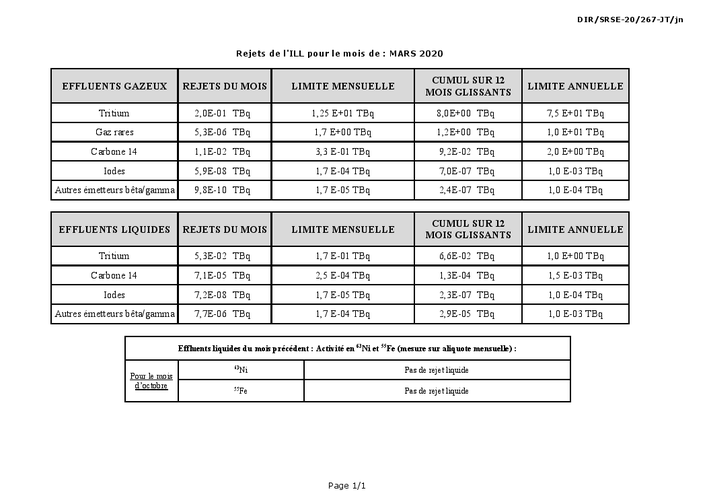
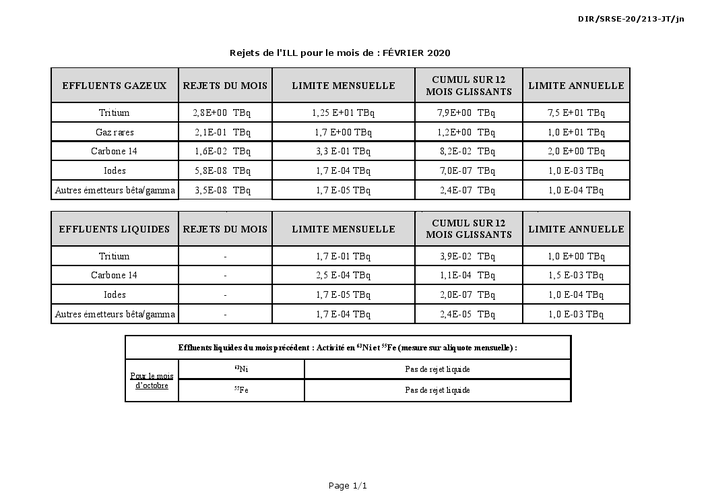
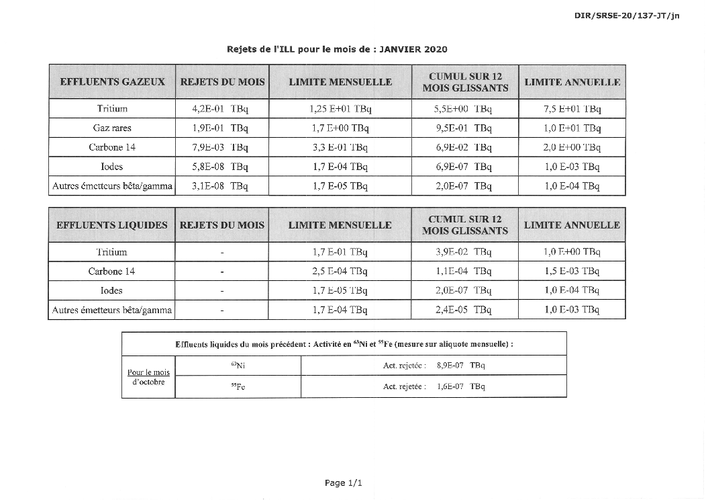
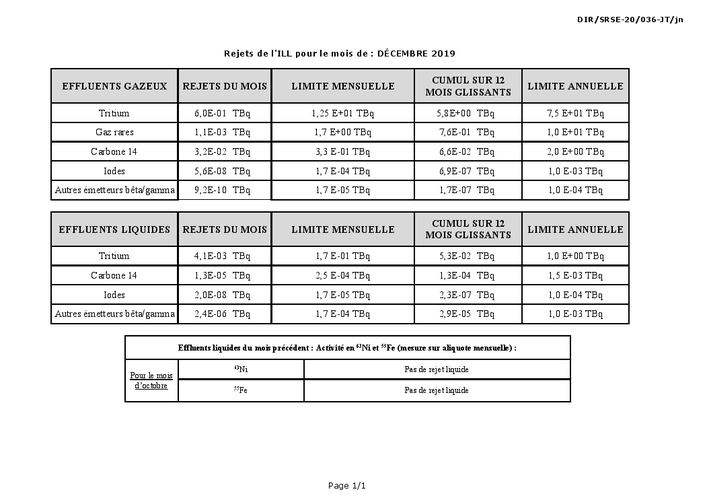
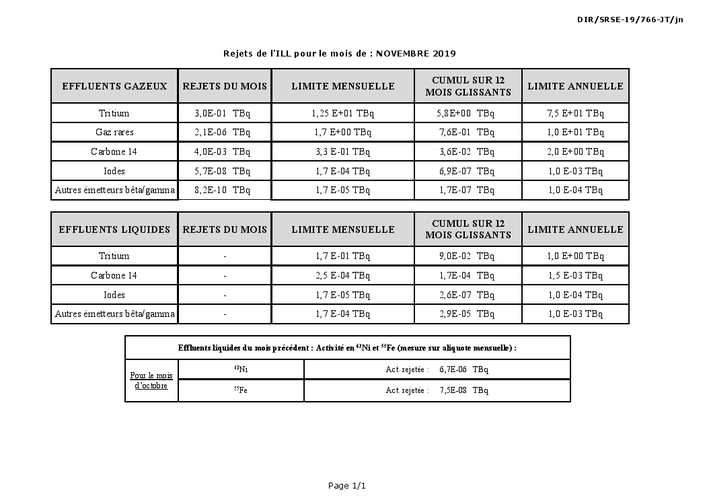
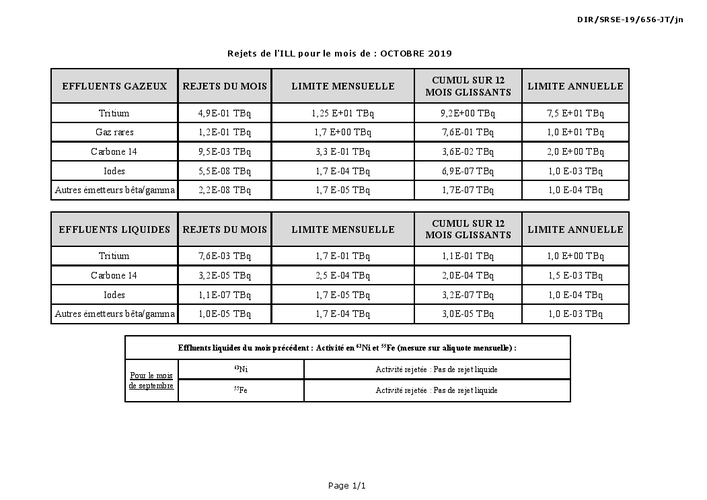
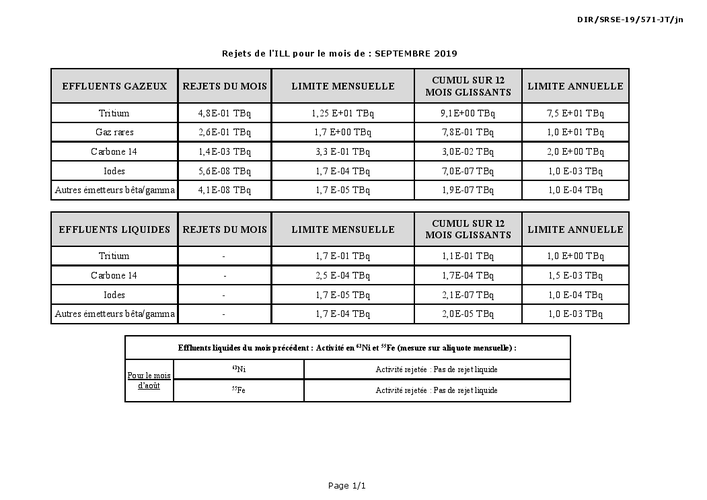
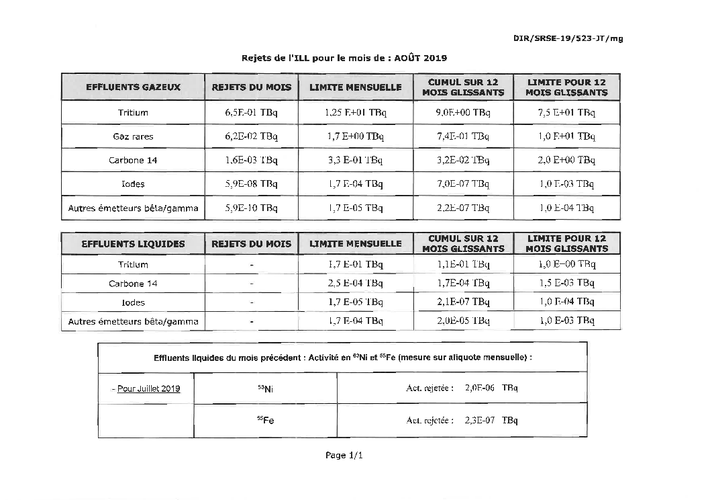
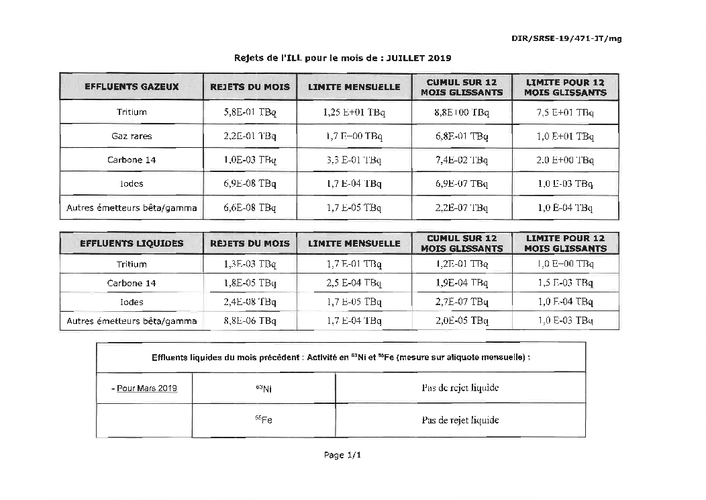
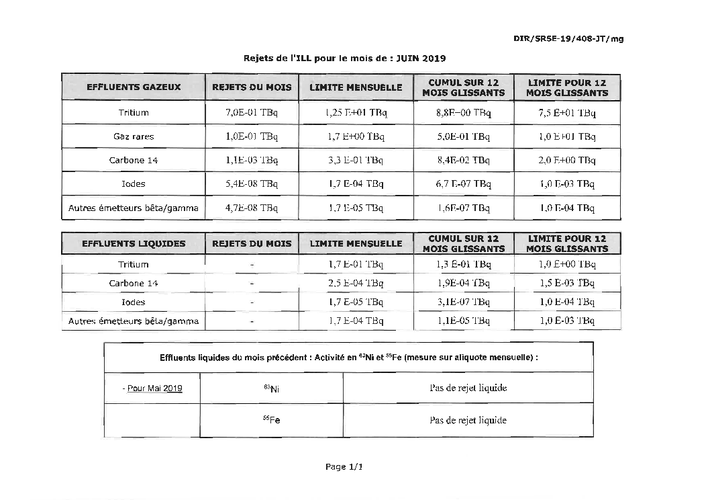
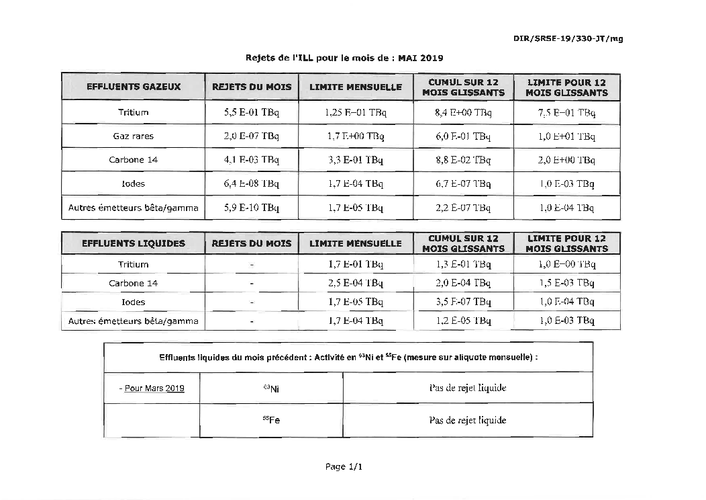
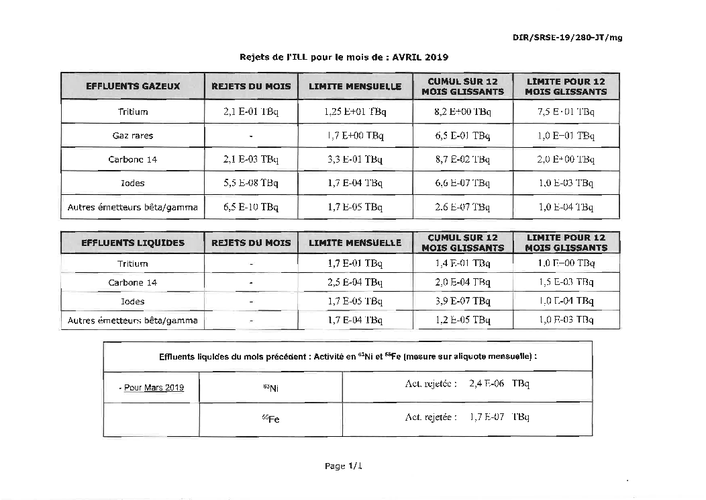
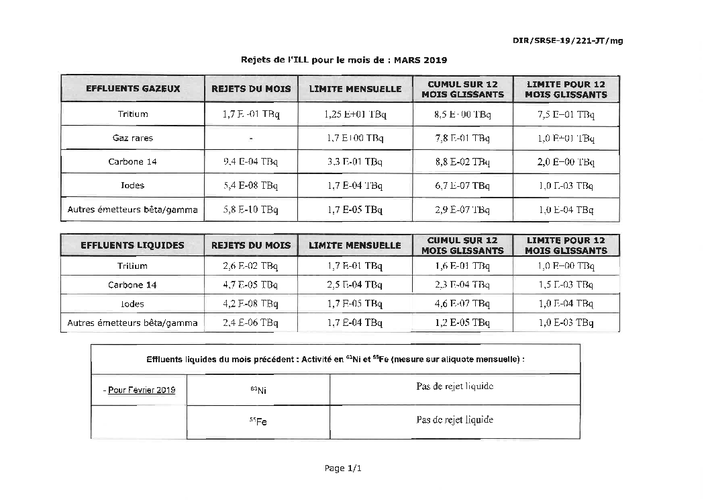
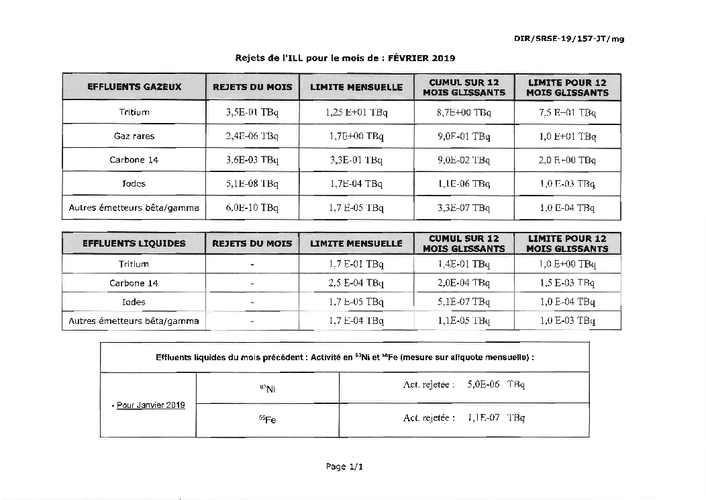
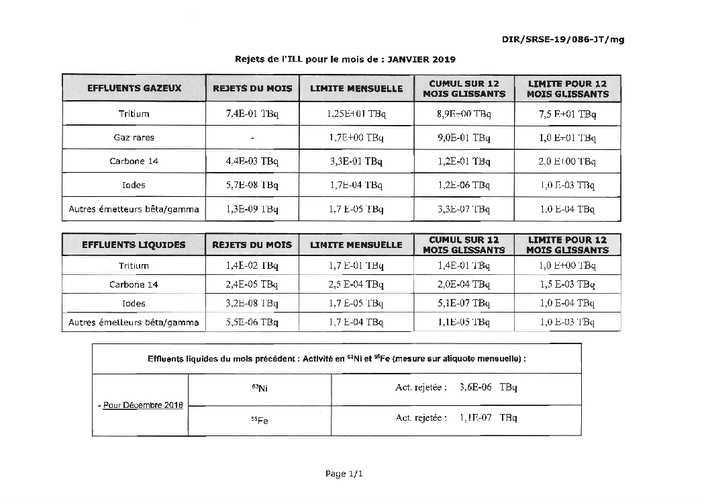
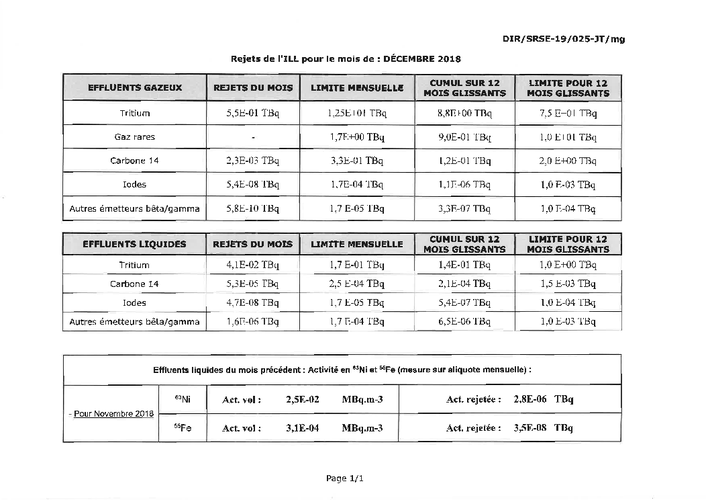
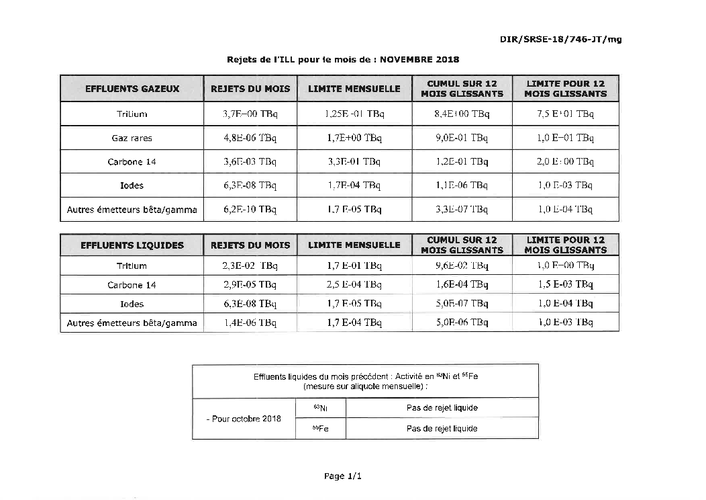
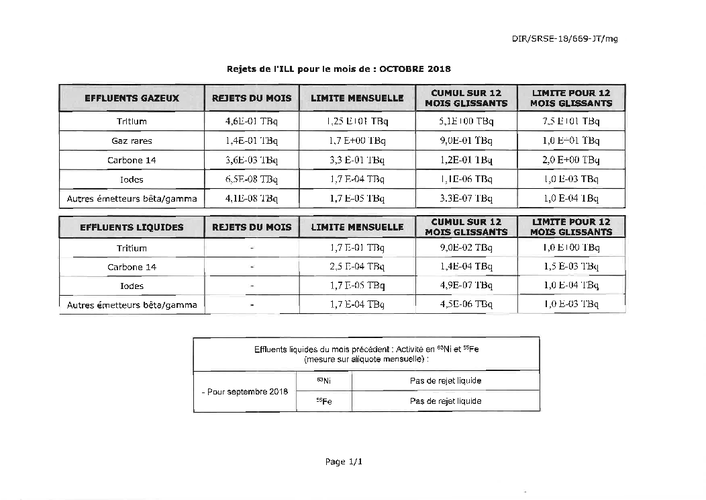
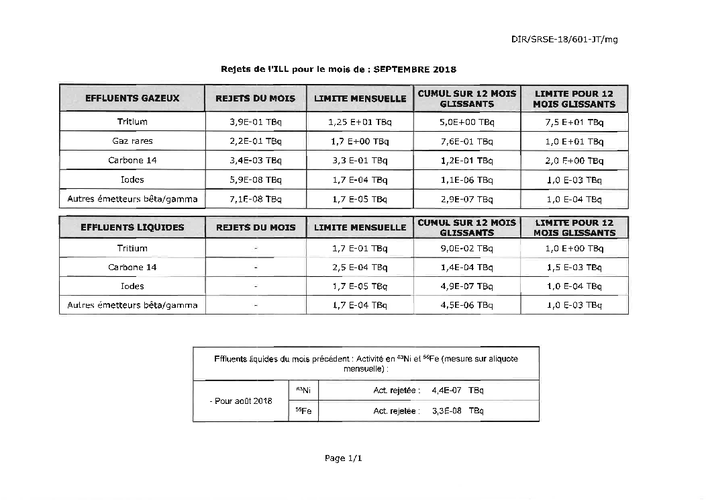
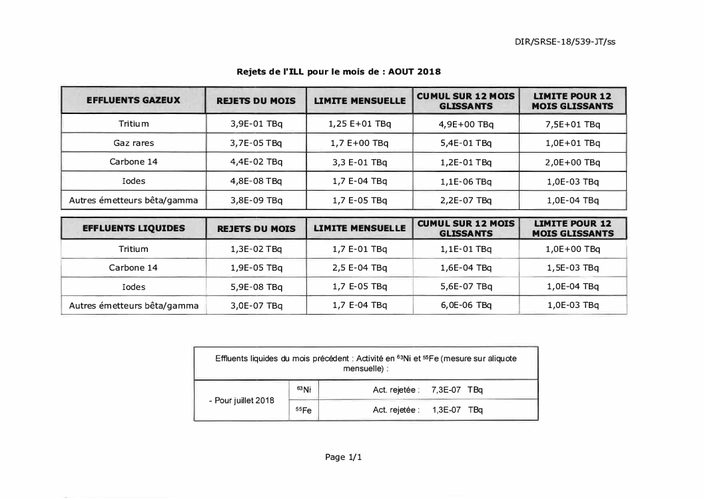
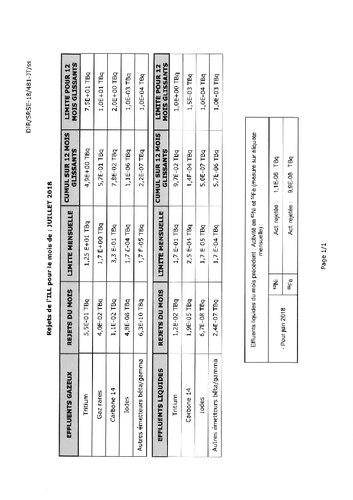
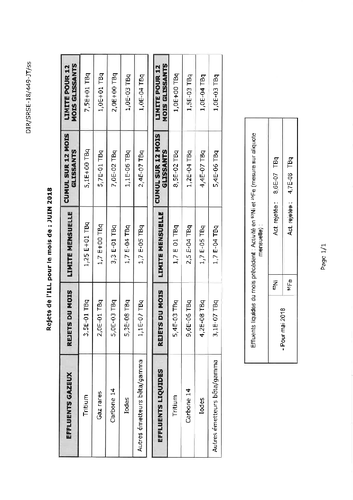
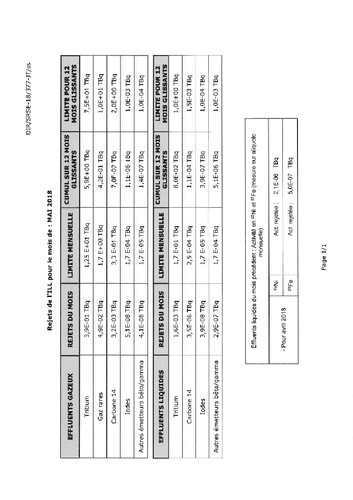
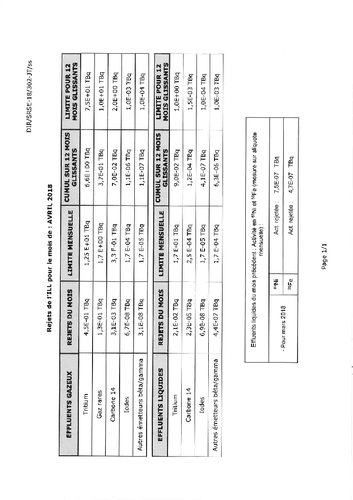
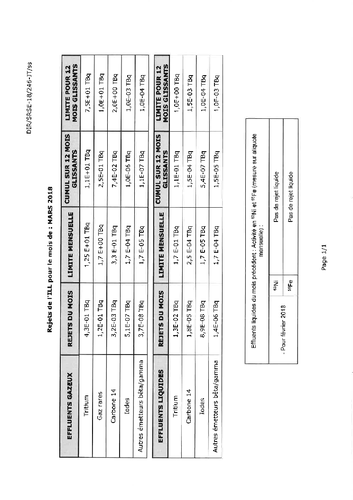
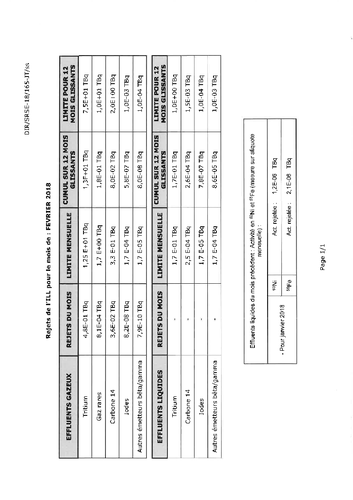
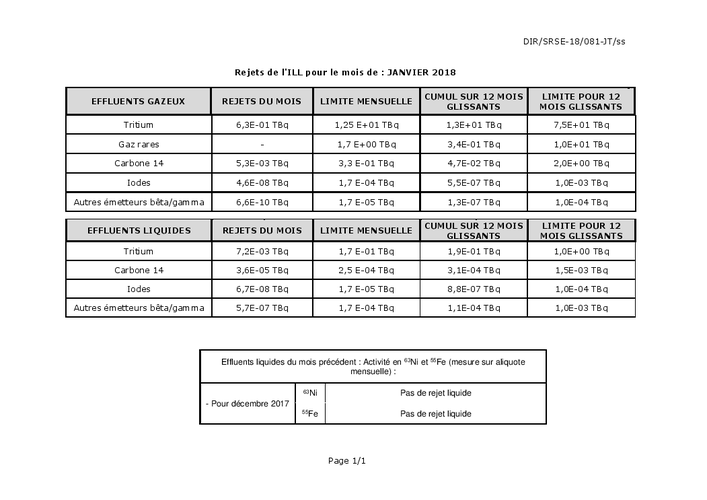
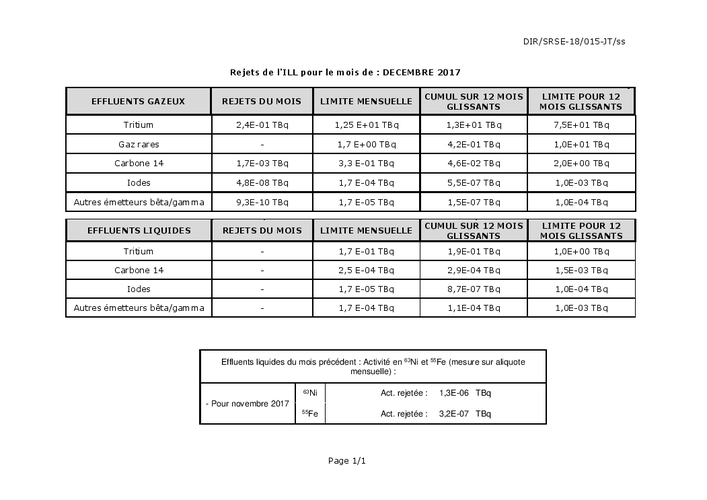
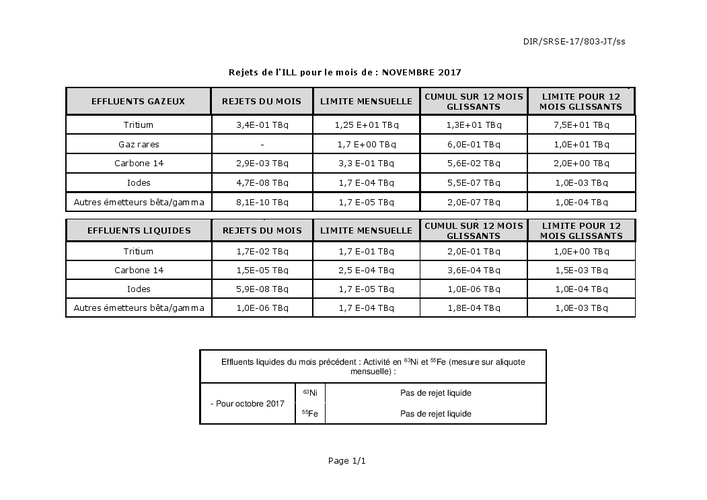
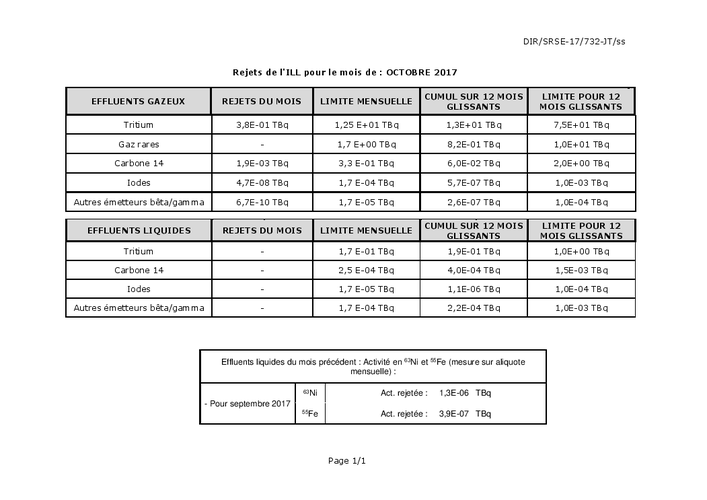
The radioactive waste produced by the Institute is declared in a report to the authorities (TSN) every year. The report provides an overview of the ILL's activity over the previous year.
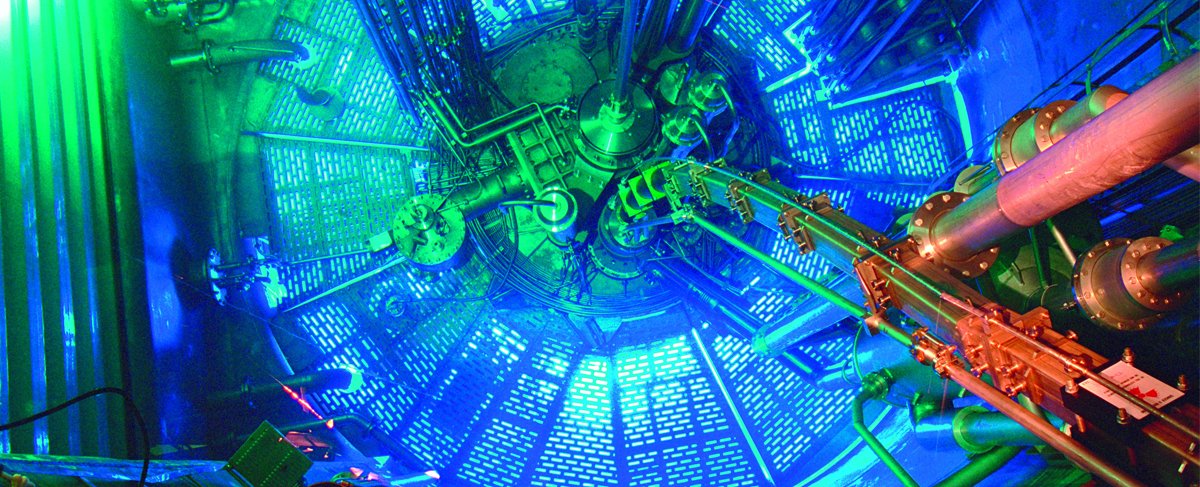
Radioactivity is a subject that is generally poorly understood and often taboo. Here are a few explanations.
Radioactivity is, of course, invisible. However, it can be measured very accurately. There are several units of measurement for radioactivity, the most common being the millisievert (mSv). The figure usually quoted is the cumulative dose received in one year, expressed in mSv.
It is important to understand that the radiation dose received, in the event of an accident for example, decreases with distance. It will increase however with the length of time spent in the exposed area.
If we take the particular case of the ILL, we can calculate the consequences of the worst-case accident scenario, i.e. a core meltdown in air causing an immediate release of radiation, based on the reactor’s power rating and its technical characteristics. The exposure figures in this scenario would be as follows:
Cumulative dose in the first 2 hours after the accident:
Cumulative dose 48 hours after the accident:
By way of comparison, the average dose received per year by a person exposed to normal natural radioactivity is 2.4 mSv.
This figure varies around the globe, rising from as little as 0.7 mSv to 50 mSv in certain mineralised areas in France, and to as much as 500 mSv in Kerala (India).
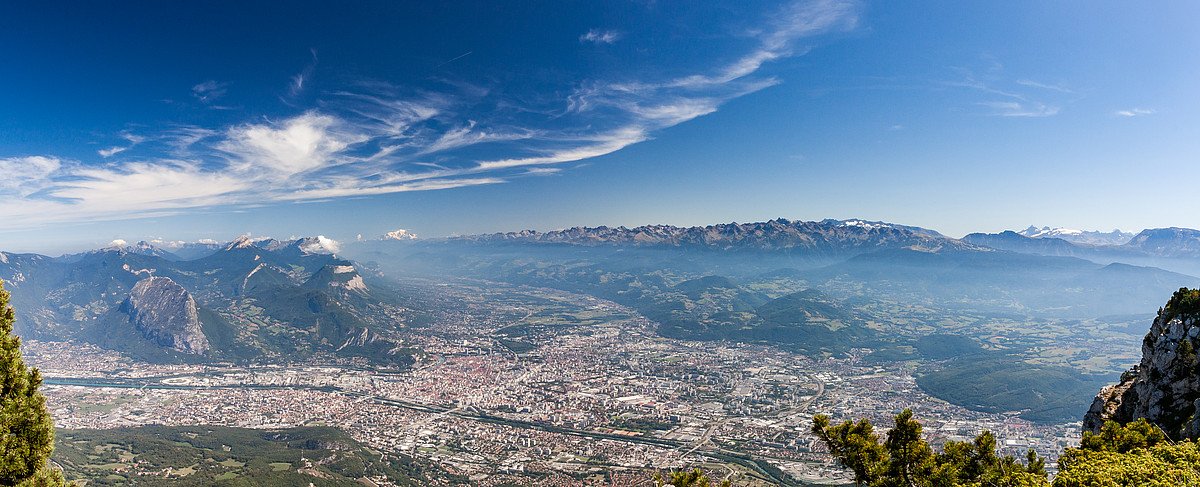
The average dose in the Grenoble basin is 2.5 mSv per year, to which you must add around 0.1 mSv for every 100 metres of altitude above Grenoble.
We may also be exposed to radioactivity at other times in our lives:
If you would like more information on this subject, do not hesitate to contact us.