Environment
A strong safety and security culture are fundamental principles for any nuclear facility. At the ILL, technical and organisational measures are implemented to reduce any risks to a level deemed acceptable. This constitutes the field of nuclear safety, which encompasses measures designed to:
- Ensure the normal operation of the reactor, while complying with standards regarding the discharge of radioactive effluents (gaseous and liquid) and regarding the exposure of personnel
- Conduct exhaustive and reliable monitoring activities in order to ensure the above mentioned compliance
- Prevent incidents and accidents
- Limit the consequences of any incidents and accidents that may occur despite the measures taken to prevent them
Environment
The ILL operates a laboratory for monitoring radioactivity in the environment. This laboratory is approved by the French nuclear safety authority and is part of the French environmental radioactivity monitoring network run by the ASNR. The results of the measurements are published via this site.
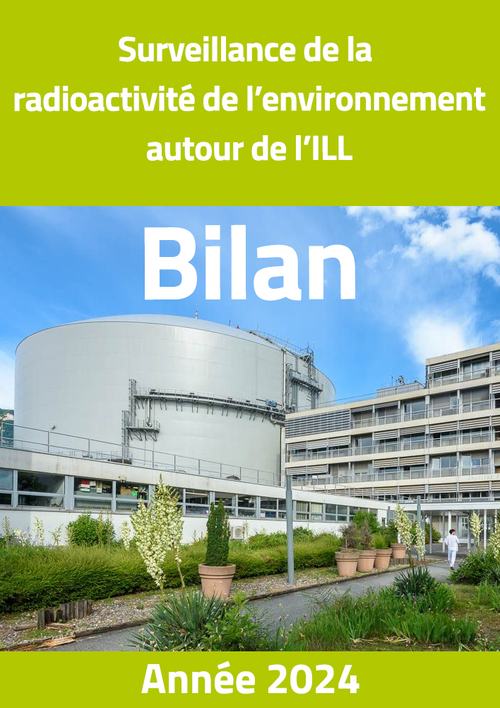
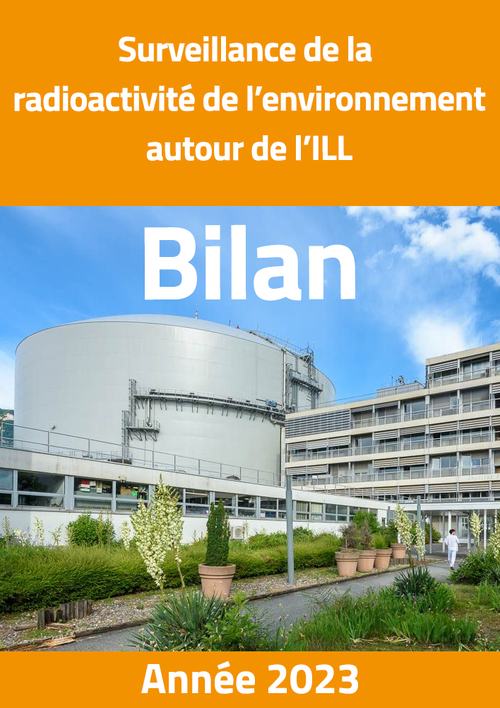
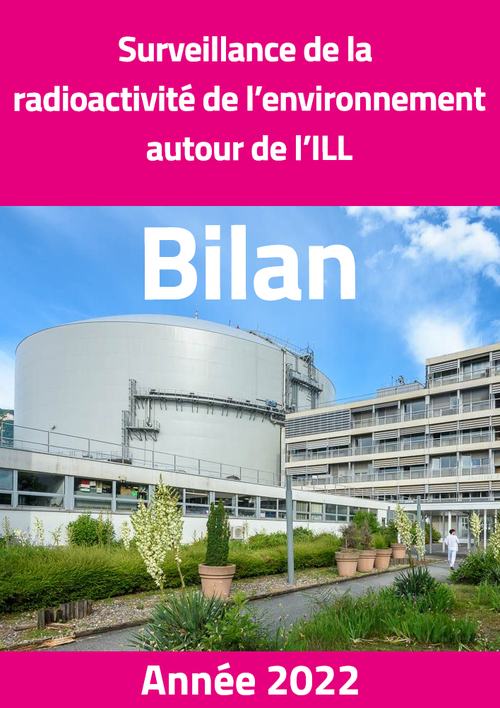
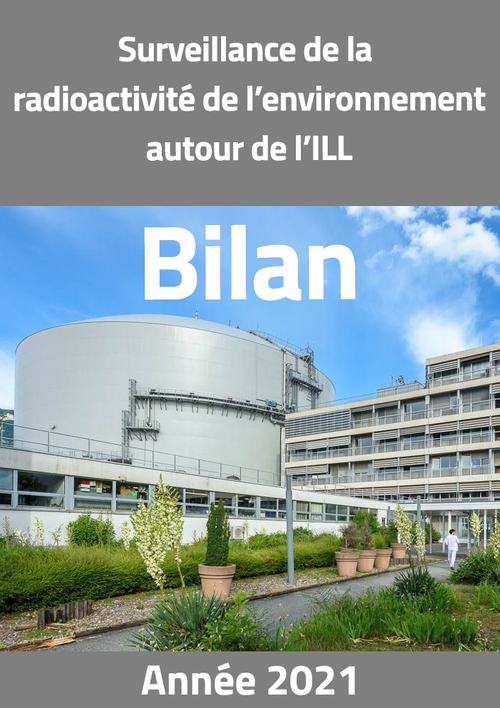
The radioactive waste produced by the Institute is declared in a report to the authorities (TSN) every year. The report provides an overview of the ILL's activity over the previous year. The annual reports are available below in French.
What exactly do we monitor?
Our laboratory monitors radioactivity in all sectors of the environment. This involves taking some 1500 samples a year, resulting in 5000 separate analyses.
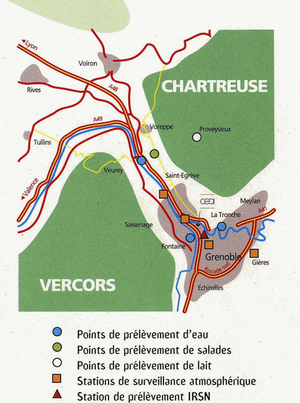
- First of all, water of all types is monitored by our laboratory: rainwater, groundwater, river water (from the Drac and the Isère), as are all the site’s non-radioactive water outlets: storm water, waste water, cooling water.
- The air doesn’t escape our attention either: ambient radioactivity levels are monitored and air samples are analysed for the presence of tritium, radioactive aerosols and iodine.
- Our monitoring activities also concern terrestrial bioindicators, such as cow's milk, grass and certain agricultural produce (lettuce and maize), and aquatic bioindicators, such as fish and reeds. Finally, samples taken from soil and riverbed sediments are also analysed in order to monitor for radioactivity. There is a great deal at stake, since the aim is to ensure that ILL’s activities have no radiological impact on the food chain in Grenoble and the surrounding area.
Two types of monitoring are performed:
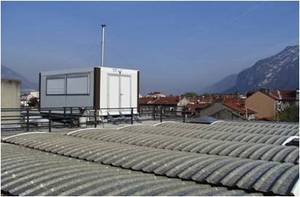
- Direct and continuous monitoring, via the monitoring stations situated in various parts of the Grenoble urban area. There are two stations to the north - one at the foot of the weather mast at the tip of the Presqu’ile and one further to the north-west at La Rollandière - and two stations to the south - on the roof of the Chorier-Berriat swimming pool and at Le Mûrier above St Martin d’Hères.
- Time-delayed monitoring, based on the laboratory analysis of samples collected at regular intervals. The intervals at which samples are taken are fixed by law; they may be taken once a year, as with maize, for example, or much more frequently, as is the case for water.
The laboratory also has portable equipment for use in the event of an accident, in the form of two intervention vehicles equipped with radiation monitoring instruments.
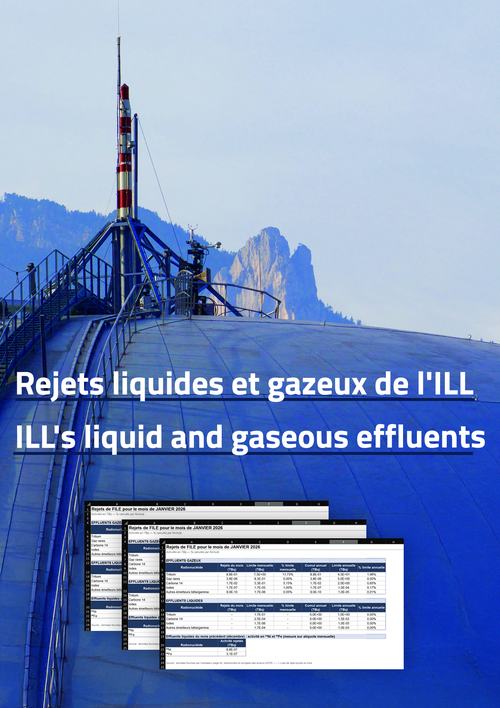
ILL's liquid and gaseous effluents are regulated by two ASNR decisions (2025-DC-014 - Valeurs limites de rejet dans l'environnement des effluents de l'INB 67 et 2025-DC-015 - Prescriptions relatives aux modalités de prélèvement et de consommation d'eau, de rejets d'effluents) which authorises it to pump groundwater and release effluents for its nuclear operations in Grenoble. Besides the monitoring and analysing procedures, ILL carries out more than 2000 laboratory measurements a year. You will find the figures below, by year.