

Les mains dans les neutrons à l'ILL : cours pratique JCNS 2026 sur la diffusion des neutrons
28 Sep 2026La 28e édition du cours organisé par le JCNS s'est déroulée du 7 au 18 septembre. Comme l'année dernière, la deuxième semaine du cours était consacrée à des travaux pratiques et s'est tenue à l'ILL.
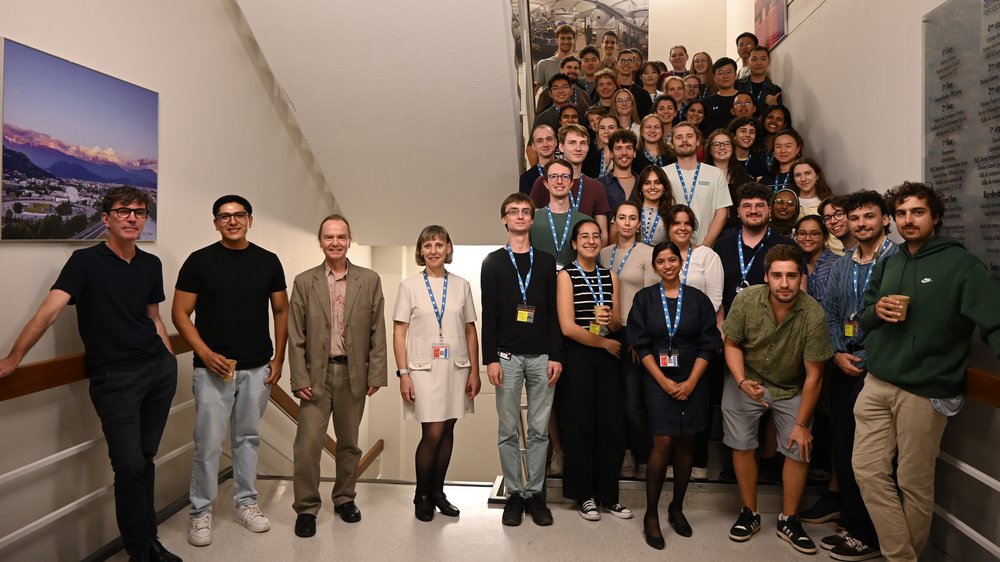
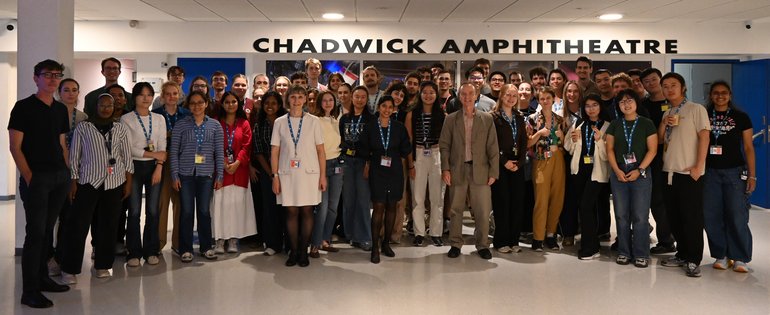
La 28e édition du cours de laboratoire sur la diffusion des neutrons, organisé par le Jülich Centre for Neutron Science (JCNS), s'est déroulée du 7 au 18 septembre 2026. Les 50 participants de cette année, sélectionnés parmi 137 candidats, formaient un groupe très international de doctorants et étudiants de troisième cycle très motivés, venus d'établissements de 14 pays différents. 54 % des participants étaient des femmes.
Comme l'année dernière, le cours de deux semaines s'est partagé entre le Forschungszentrum Jülich (FZJ), en Allemagne, et l'ILL à Grenoble, en France. La première semaine, qui s'est tenue à Jülich, était consacrée aux cours magistraux et aux exercices. Les cours ont offert une introduction à la diffusion des neutrons et à l'instrumentation. Des exposés sur les applications de la diffusion neutronique ont souligné le rôle crucial des neutrons comme sondes dans la matière molle, les matériaux pour l'énergie, les sciences du vivant, les matériaux quantiques, ainsi que dans l'industrie.
L'école s'est ensuite déplacée à l'ILL pour une semaine de formation pratique.
Quatre cours supplémentaires ont été donnés à l'ILL : physique nucléaire et des particules, imagerie neutronique, rédaction de propositions d'expériences et présentation de l'ILL. Arrivés peu après le début du troisième cycle réacteur 2026 de l'ILL, les participants ont bénéficié d'un cadre idéal pour une formation pratique en conditions pleinement réalistes.
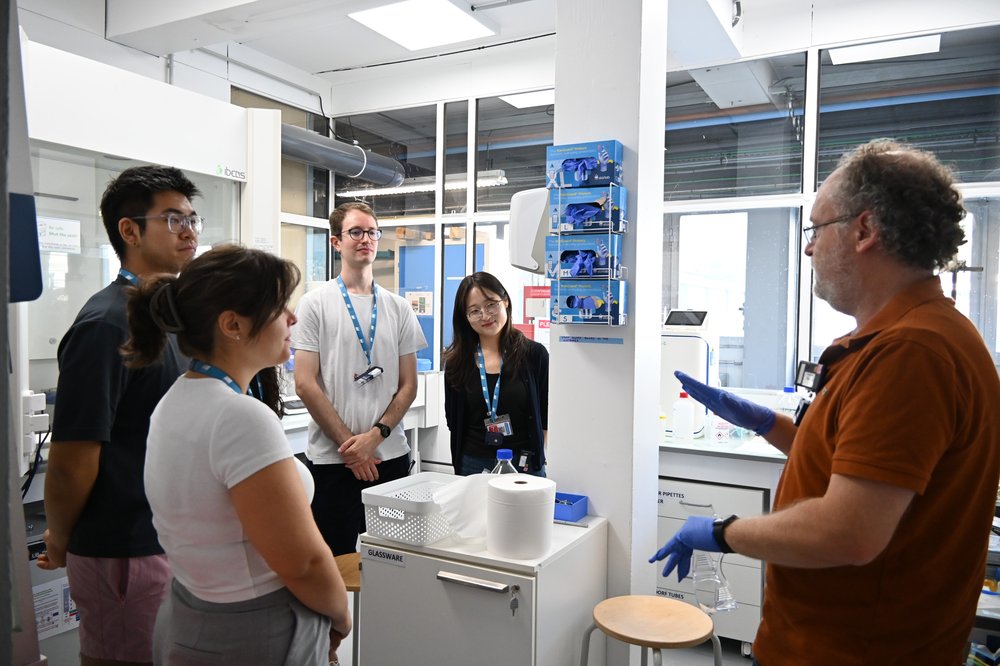
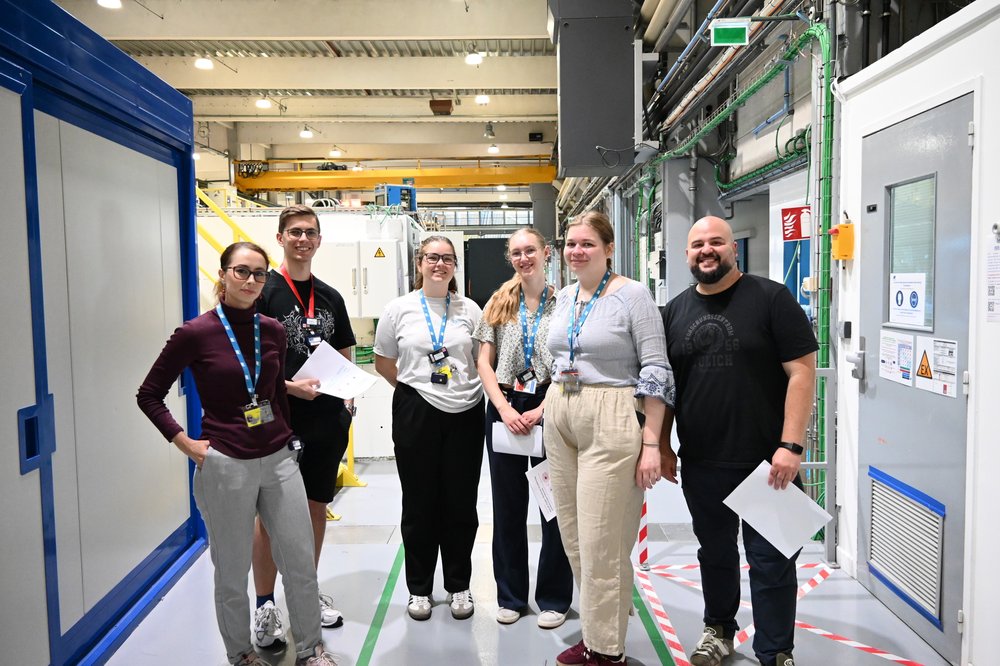
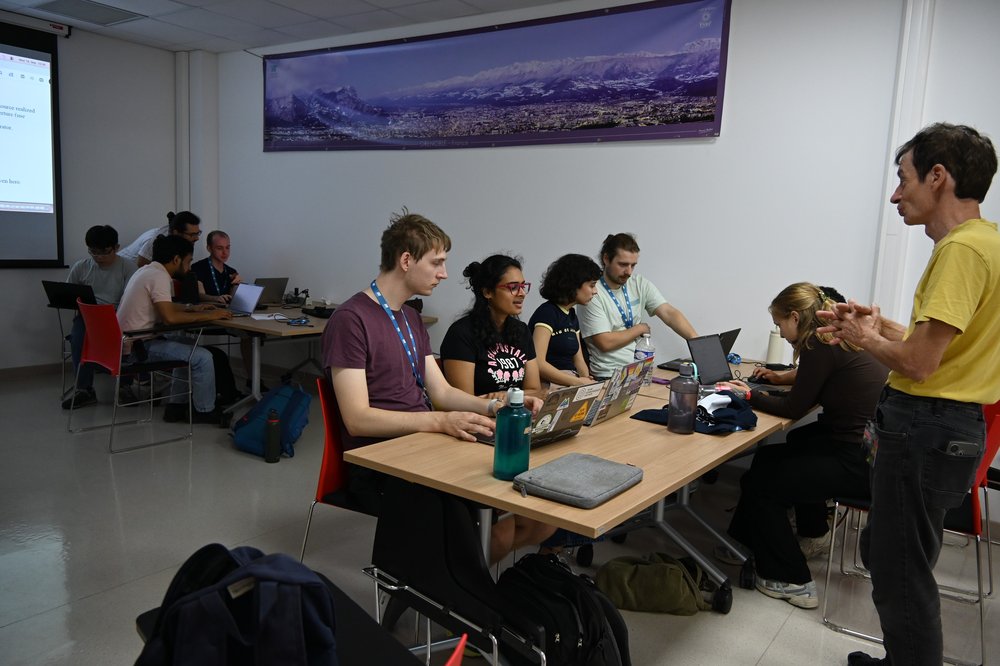
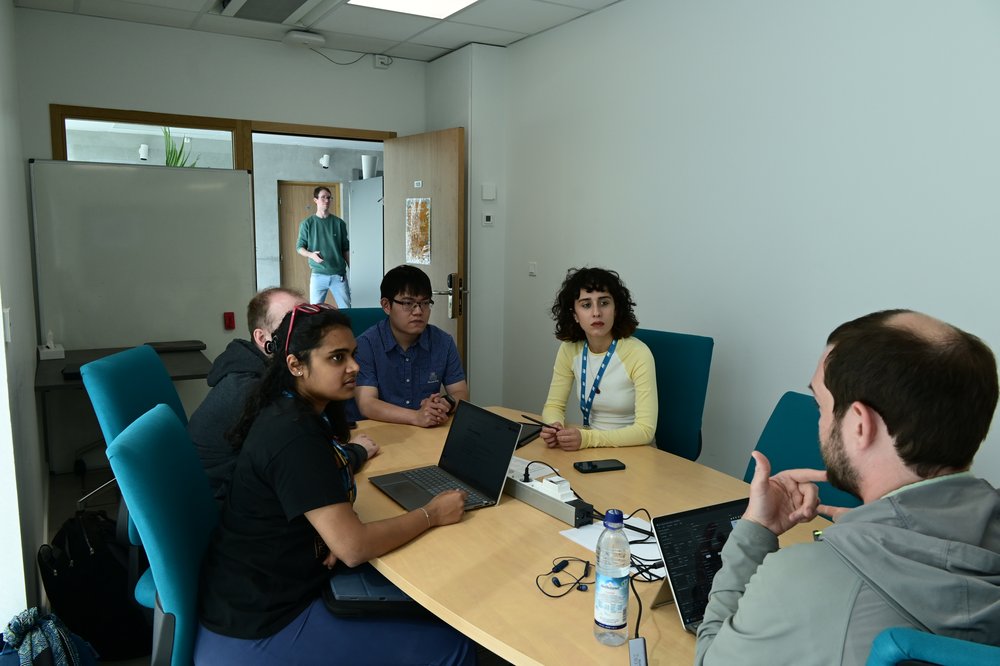
Les participants ont mené des expériences sur 27 instruments de classe mondiale, parmi les plus de 40 instruments dont dispose l'ILL. Un très large éventail de techniques leur a été présenté : diffraction sur monocristal et sur poudre, réflectométrie, diffusion des neutrons aux petits angles, spectroscopie par rétrodiffusion, spectrométrie à écho de spin neutronique, spectroscopie sur triple axe, spectrométrie en temps de vol, spectrométrie pour la dynamique à haute énergie, analyse des contraintes, tomographie neutronique et par rayons X, ainsi que l'instrumentation dédiée à la physique fondamentale du neutron. En outre, 10 tutoriels de calcul scientifique ont été proposés, soulignant l'importance croissante des méthodes numériques en diffusion neutronique. Parmi eux figuraient cinq sessions d'« expériences virtuelles ».
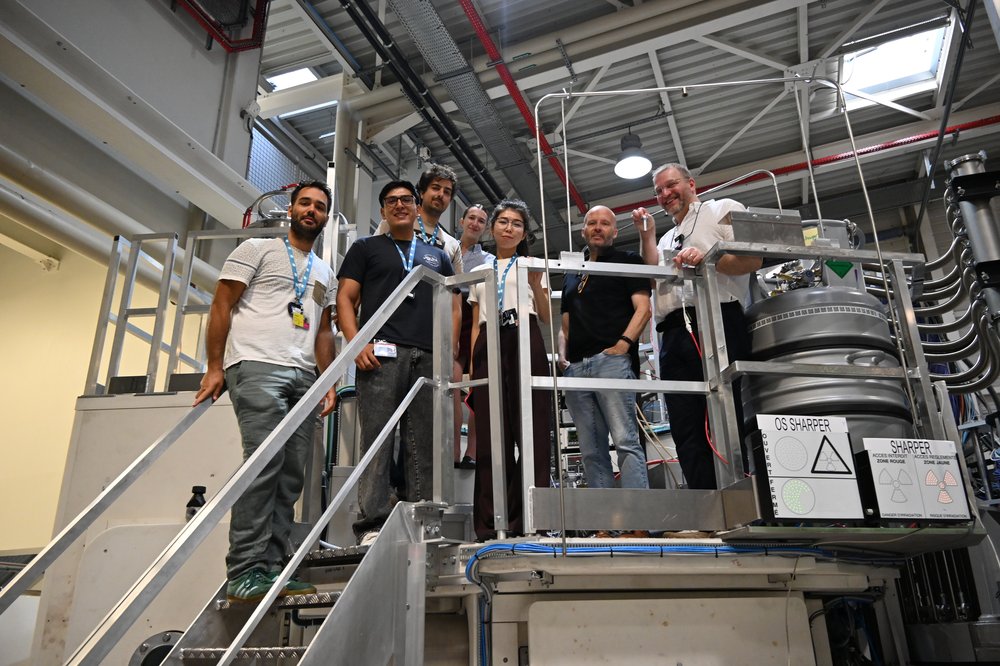
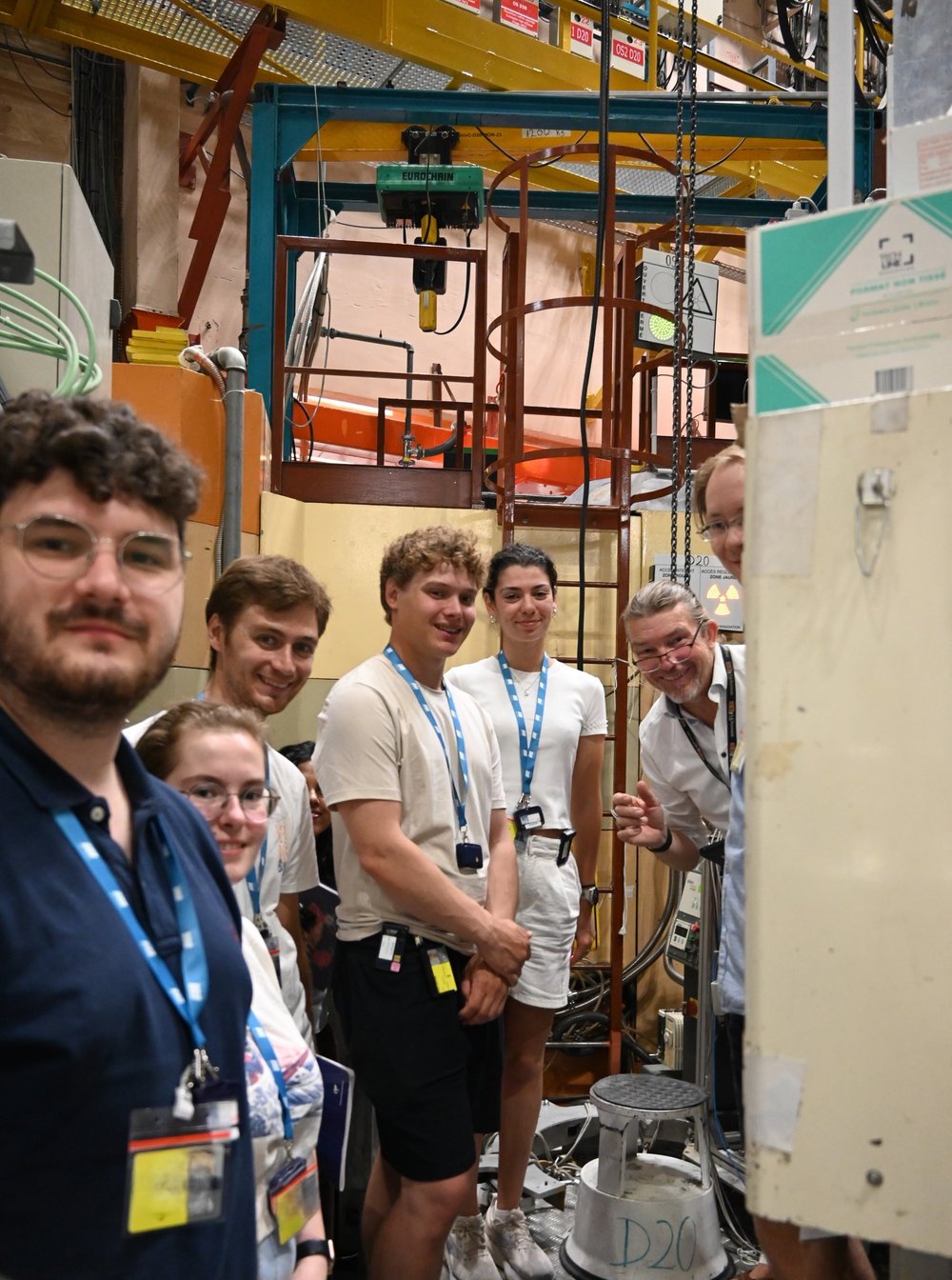
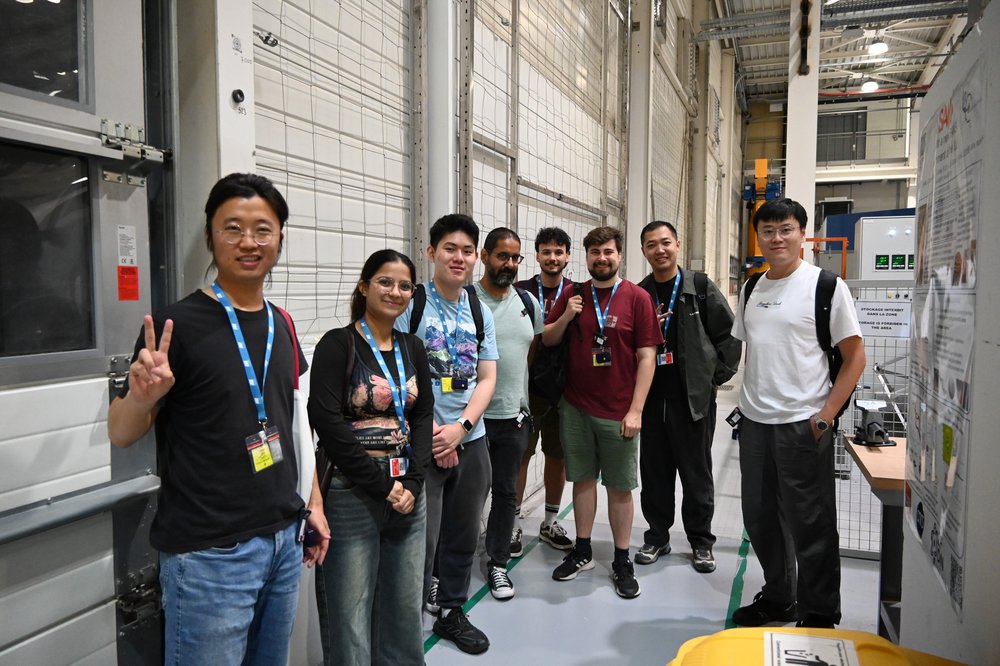
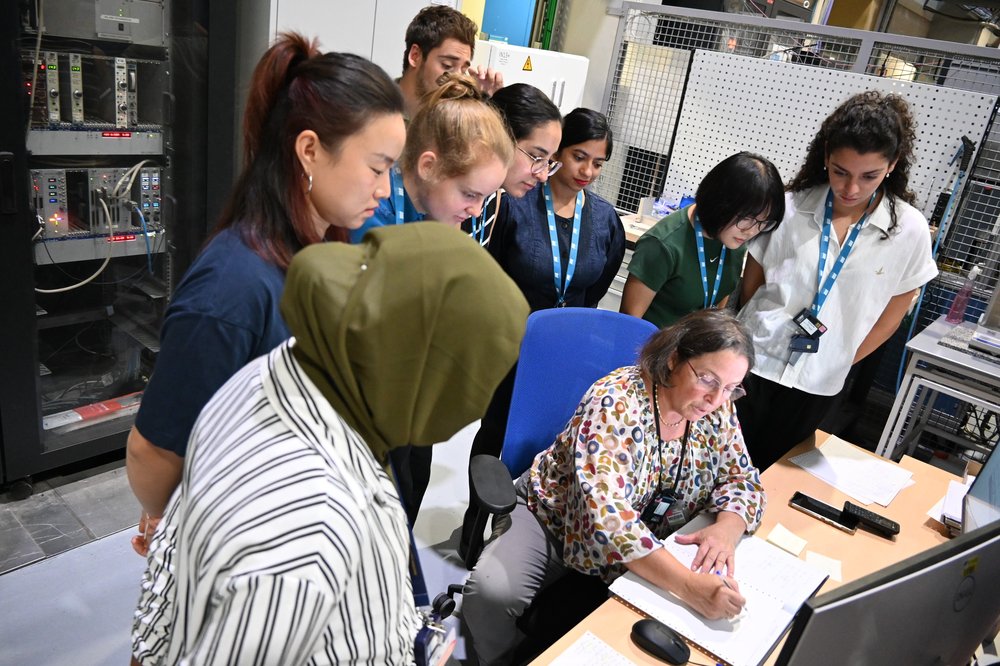
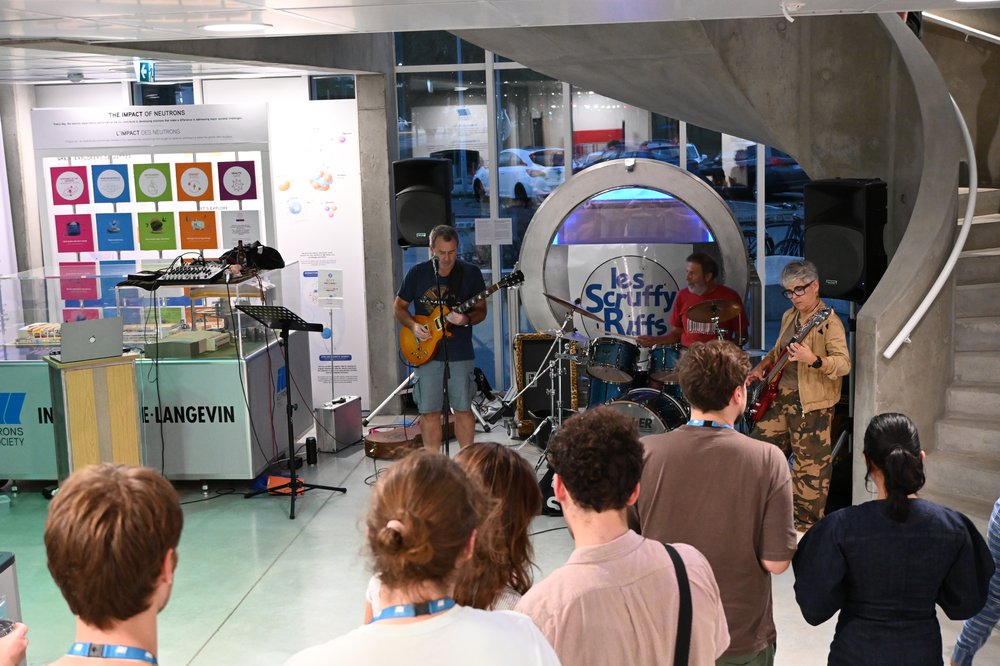
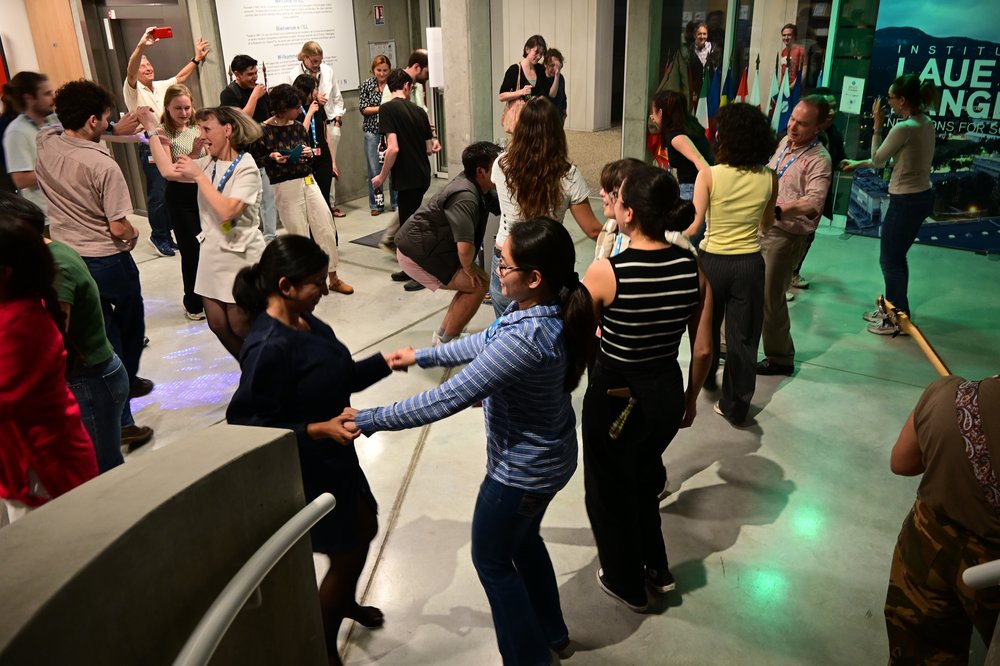
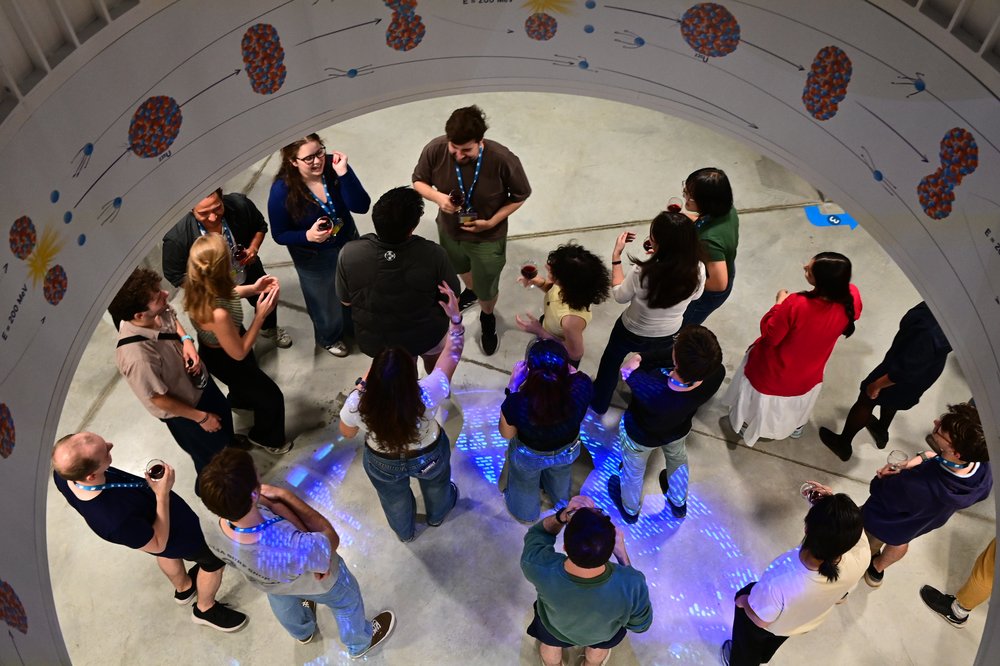
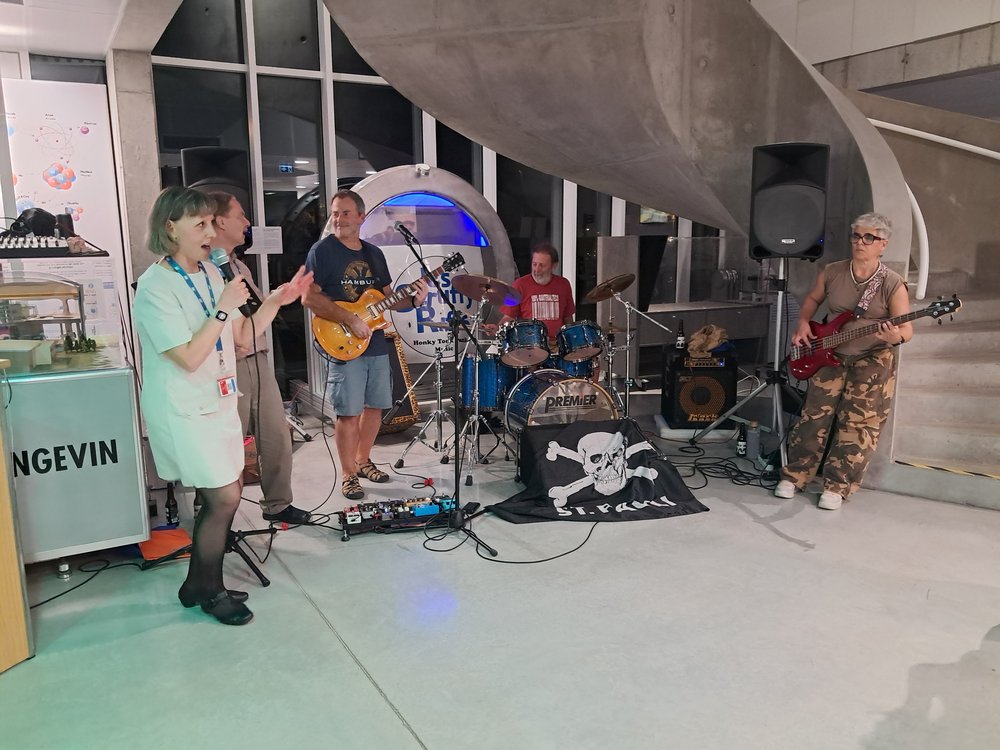
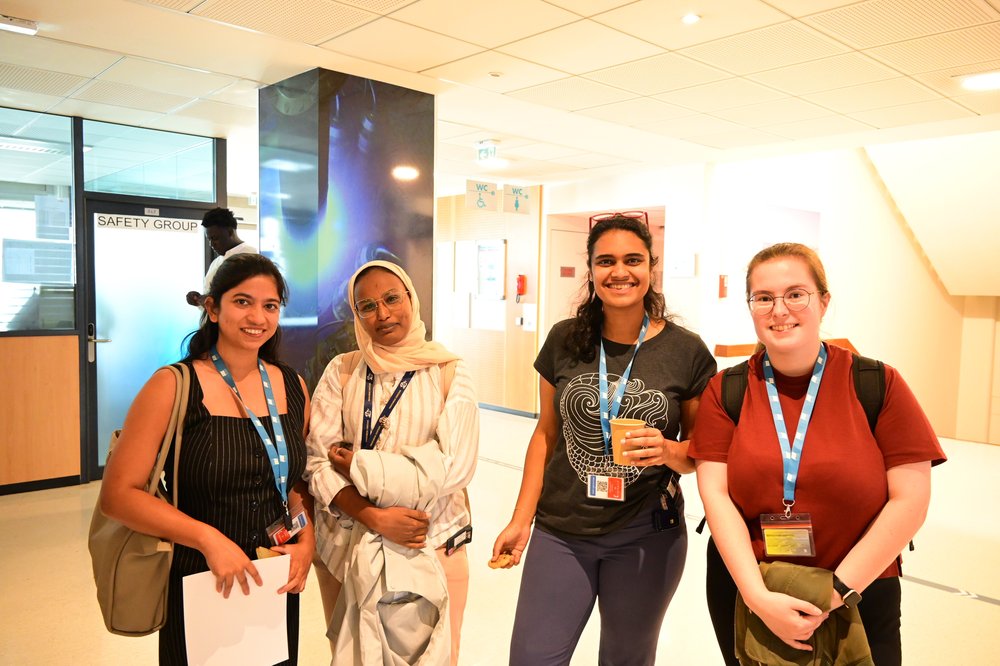
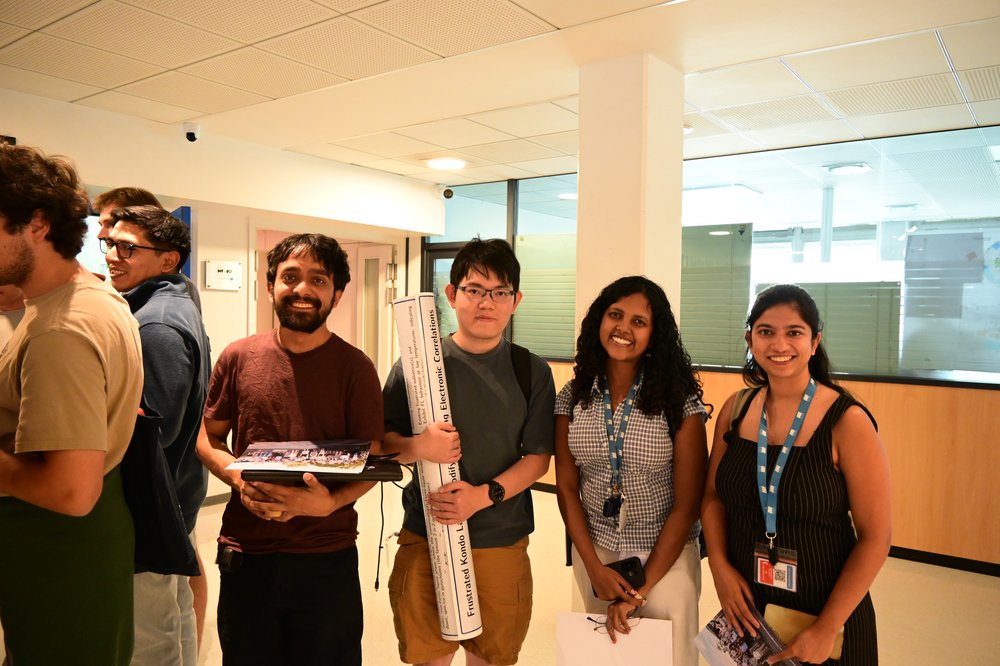
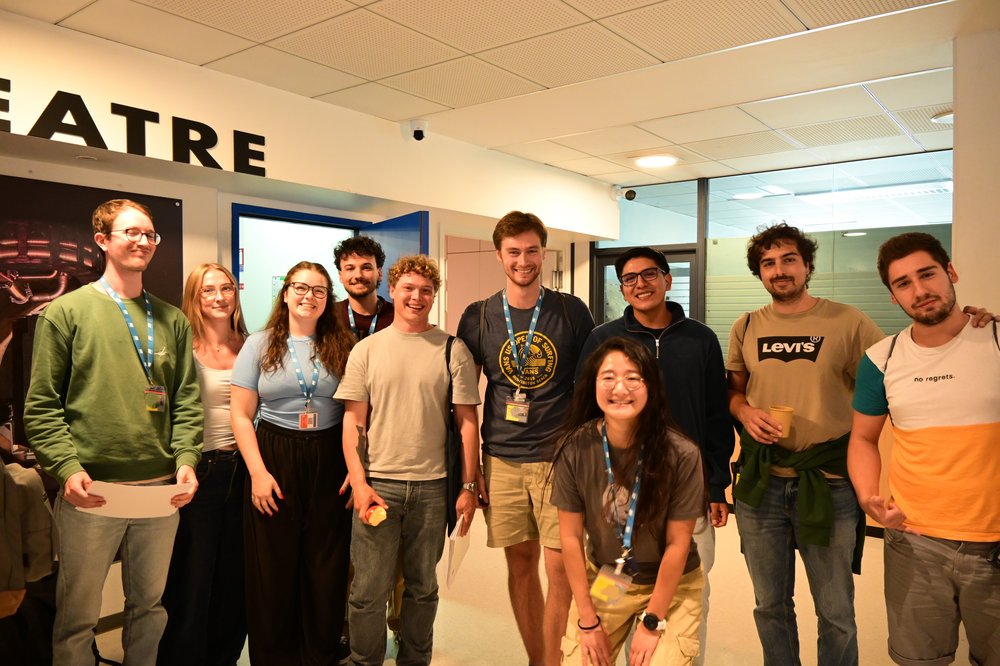
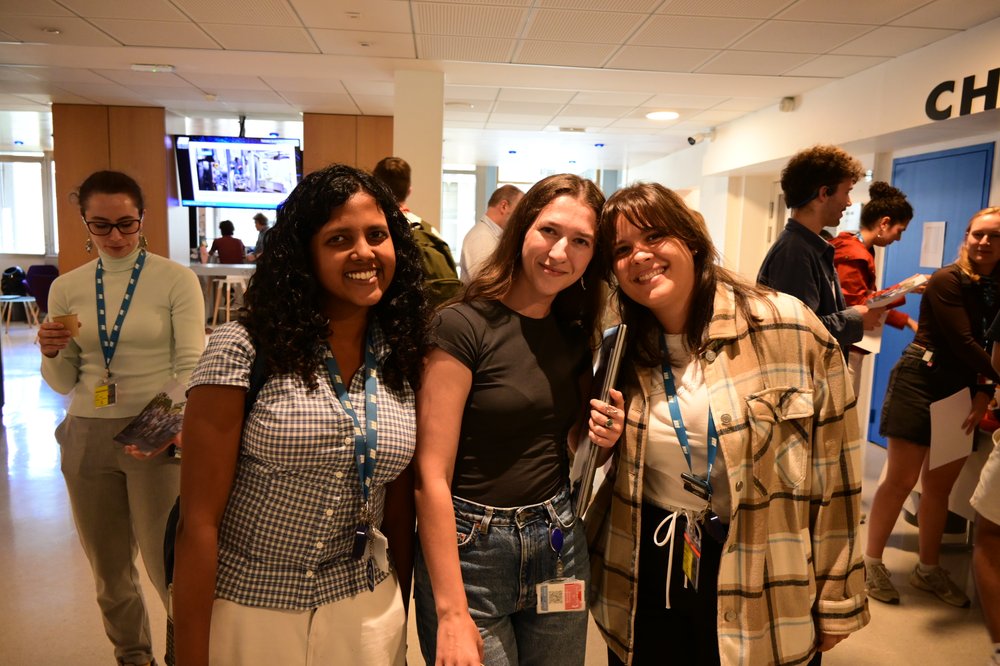
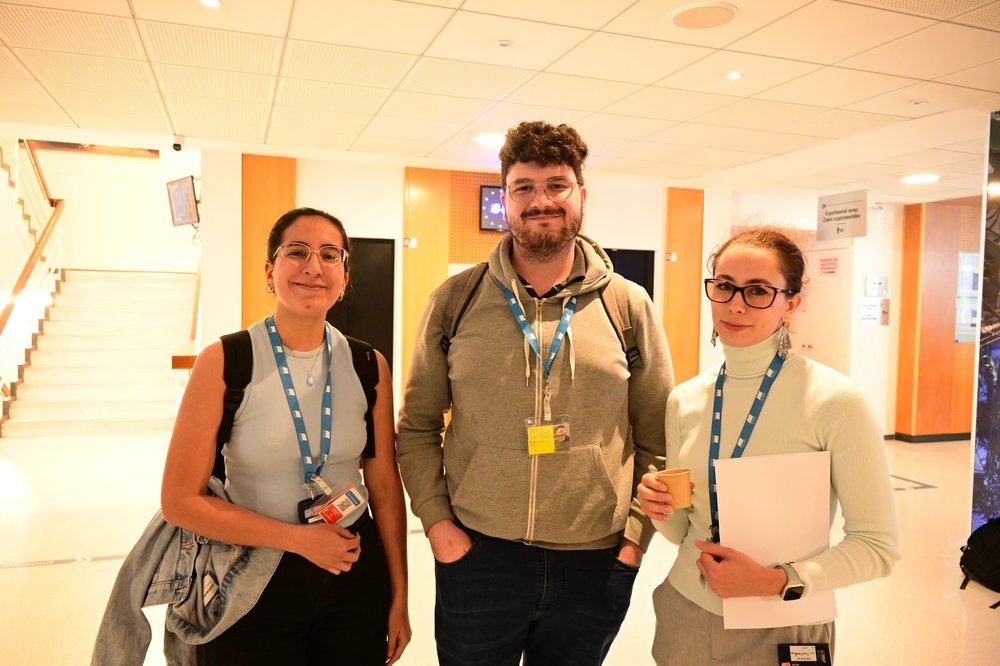
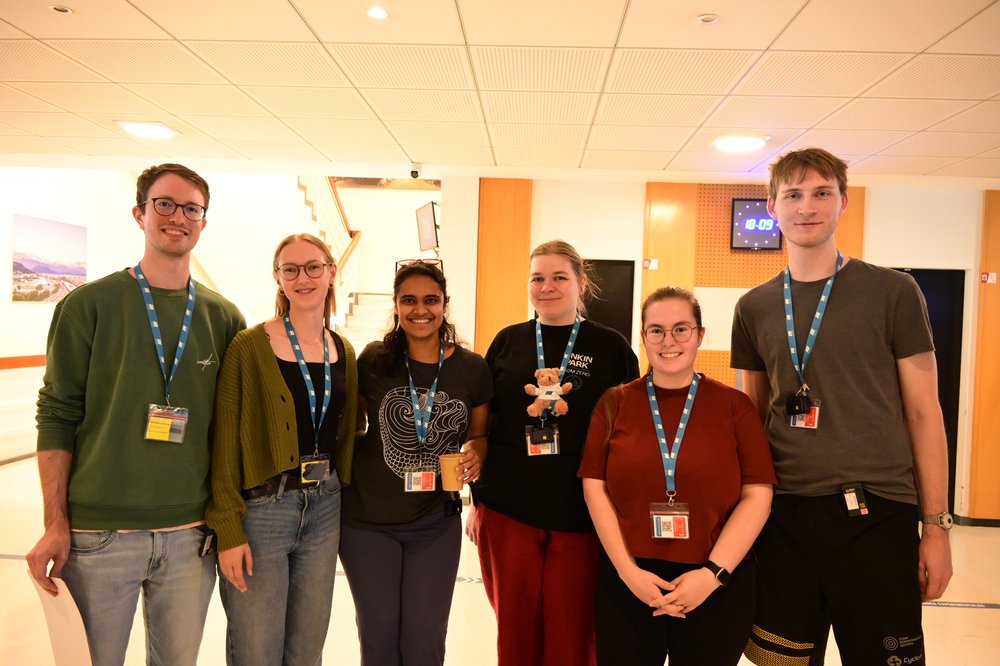
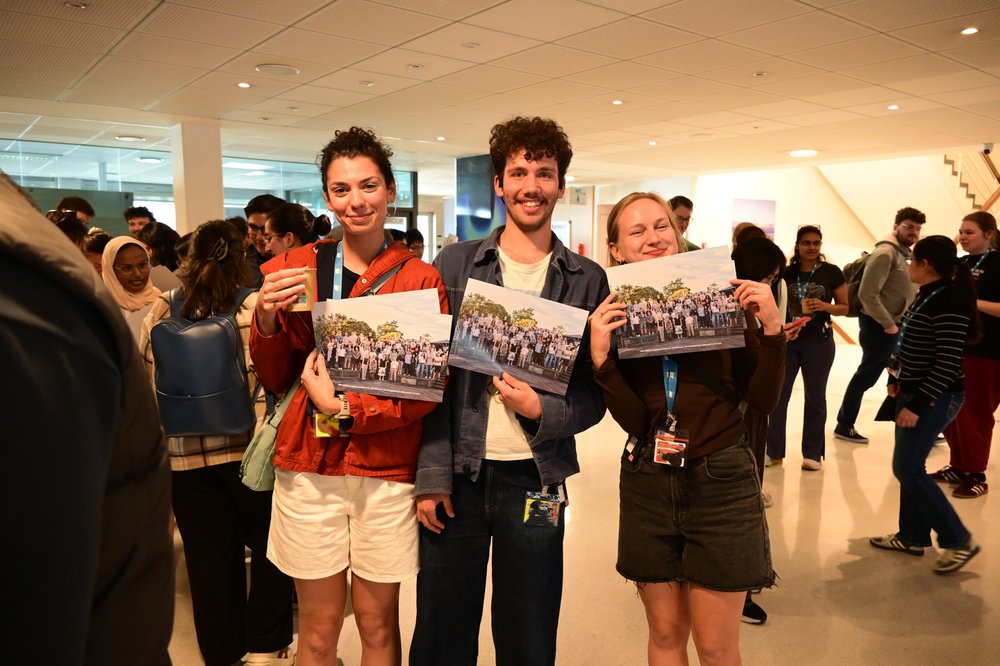
Les principaux organisateurs de l'école étaient les chercheurs du JCNS Margarita Kruteva, Irina Apanasenko et Reiner Zorn. La collaboration et l'engagement des équipes locales de l'ILL ont été essentiels à la réussite de cette semaine. Ci-dessous, une petite galerie de photos de l'événement.