Institut Laue-Langevin

With its international funding and expertise the Institut Laue-Langevin (ILL) offers scientists and industry the world's leading facility in neutron science and technology. From its Grenoble site in the south-east of France the Institute operates the most intense neutron source on Earth.

Back to ILL Homepage

What is the ILL?

Unique facilities and cutting-edge expertise

The world leader in neutron science and technology

The Institut Laue-Langevin is an international research centre at the leading edge of neutron science and technology.

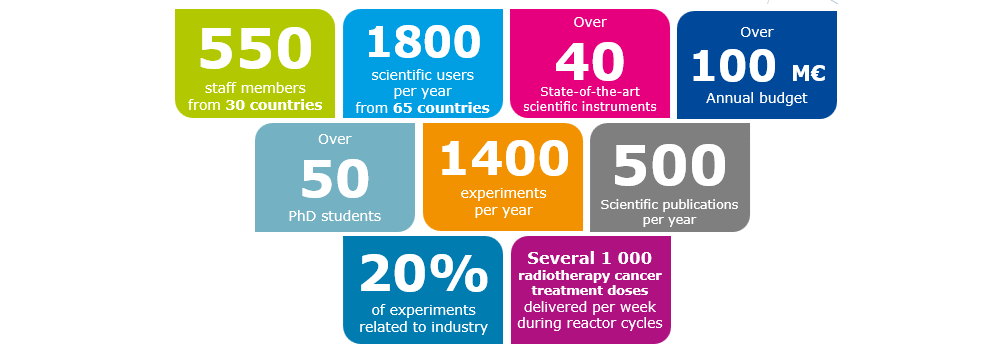
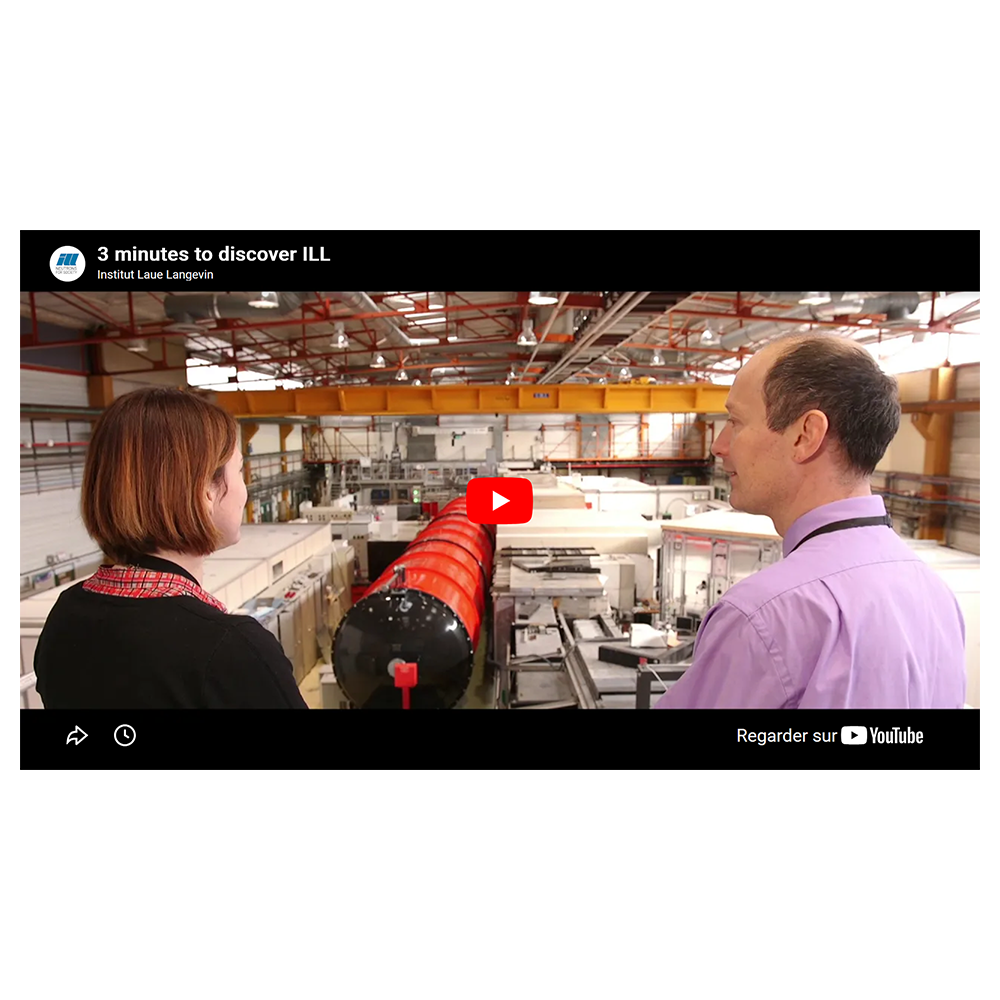
The Institute operates one of the most intense neutron sources in the world, feeding intense beams of neutrons to a suite of 40 high-performance instruments that are constantly upgraded.

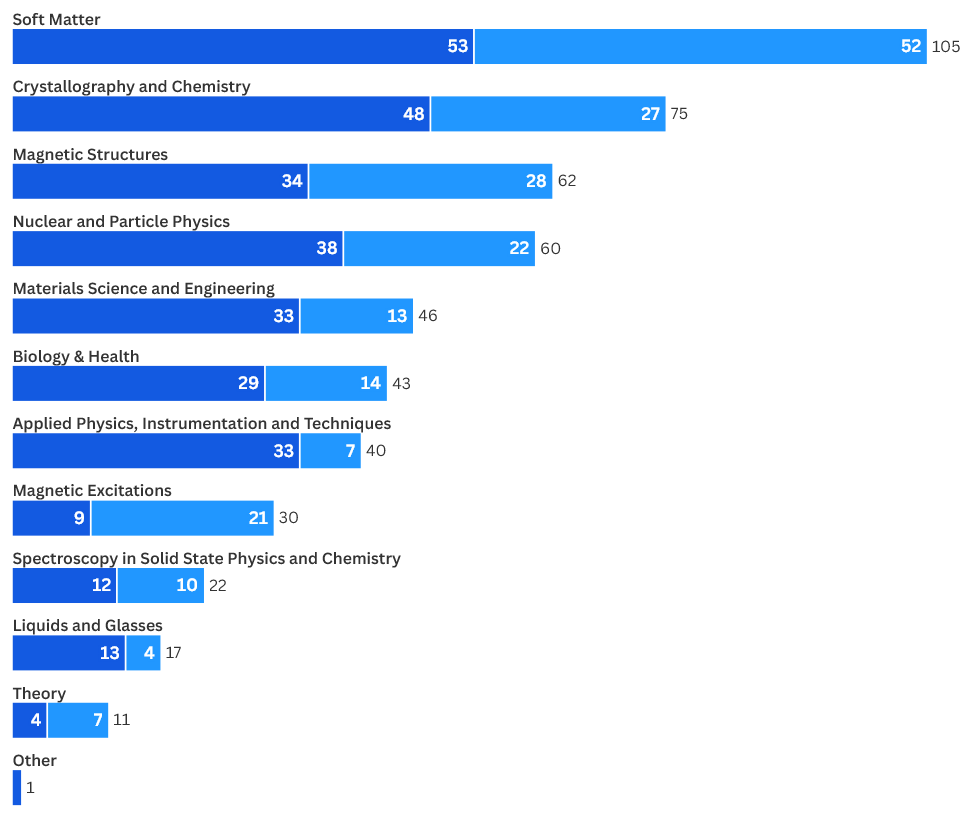
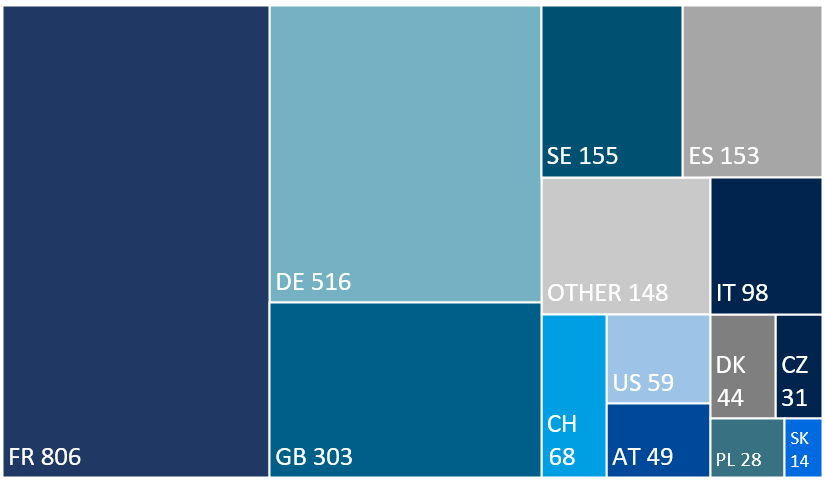
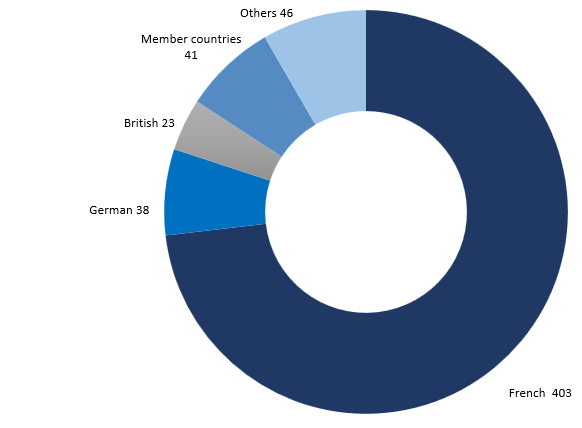
As a service institute the ILL makes its facilities and expertise available to visiting scientists. Every year, some 1200 researchers from over 40 countries visit the ILL. More than 800 experiments selected by a scientific review committee are performed annually. Research focuses primarily on fundamental science in a variety of fields: condensed matter physics, chemistry, biology, nuclear physics and materials science,...

Whilst some are working on engine designs, fuels, plastics and household products, others are looking at biological processes at cellular and molecular level.  Still others may be elucidating the physics that could contribute to the electronic devices of the future. ILL can specially tailor its neutron beams to probe the fundamental processes that help to explain how our universe came into being, why it looks the way it does today and how it can sustain life.

All the scientists at the ILL - chemists, physicists, biologists, crystallographers, specialists in magnetism and nuclear physics - are also experts in neutron research and technology and their combined know-how is made available to the scientific community.


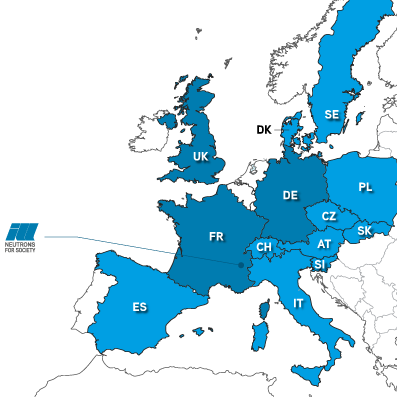
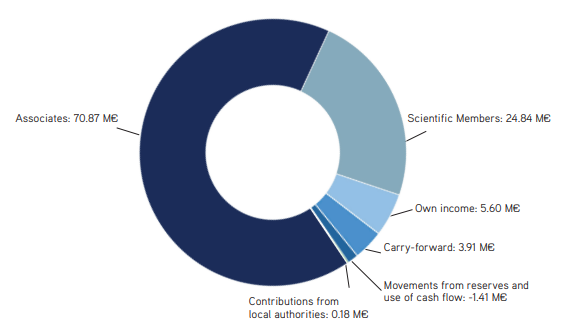
ILL is funded and managed by France, Germany and the United Kingdom, in partnership with 11 other European countries.

Map of the ILL/ESRF/EMBL research site